
Vendor Finance Software: Empowering Vendors and Clients
Sofia Rangoni

Jan 8, 2026
What Is Vendor Finance Software?
Vendor finance software is a digital platform that helps businesses offer, manage, and track financing options for their customers at the point of sale. Rather than relying exclusively on banks, vendors can provide their buyers with tailored financial plans, like installment payments, leasing, or deferred billing, directly as part of their sales process. This technology helps bridge the gap between a customer's desire to purchase and their ability to pay, making higher-value transactions and long-term business relationships more accessible for both parties.
How Vendor Financing Works
When a business uses vendor financing, it essentially supports its customer by extending credit or payment terms. The software steps in to automate this process: it assesses buyer creditworthiness, sets up repayment schedules, handles documentation, and records all financial activity. This reduces manual paperwork and enables sales teams to offer financing confidently and efficiently, without needing to play the role of a bank.
Types of Vendor Finance Solutions
Vendor finance software isn’t one-size-fits-all. Some platforms specialize in traditional loans and credit lines, others focus on equipment leases, and some are built for recurring billing, perfect for software subscriptions or maintenance contracts. The right software adapts to specific business models and industries, giving vendors the flexibility to serve a broader range of customers while reducing risk.
Understanding these fundamentals makes it clear why thoughtful features and smart automation are critical when evaluating any vendor finance tool. Let’s explore what capabilities truly make a difference as you look for the right fit.
Essential Features to Look For
Automated Credit Assessment
Reliable vendor finance software should handle credit assessments swiftly. It automatically pulls credit histories, interprets financial data, and calculates risk scores in real-time, removing guesswork and delays from the process. Automation here means faster approvals, less paperwork, and reduced errors.
Deal Structuring and Flexibility
Not every client fits the same mold. Look for tools that let you configure payment plans, interest rates, and terms to match the needs of both vendor and client. The ability to tailor deals, whether it’s deferred payments, split invoices, or customizable schedules, can make or break a sale.
Integration With Sales and ERP Tools
Seamless integration cuts down on double entry and ensures that data flows effortlessly between sales platforms, accounting software, and inventory systems. This connectivity means vendors and clients always have access to up-to-date numbers without manual updates.
Dashboard and Reporting
An intuitive dashboard gives a clear overview of deals in progress, payment statuses, and pending approvals. Detailed reporting brings transparency and helps you identify bottlenecks or spot trends, so you can adjust strategies on the fly.
Secure Digital Contracts and E-signatures
With digital agreements, deals close faster and more securely. The software should support compliant e-signatures and encrypted contracts, so every party can review and sign documents remotely, without compromise to legal validity or data protection.
Once you know what to look for in vendor finance software, it’s worth exploring how these features can directly benefit both you and your customers in daily operations.
Benefits for Vendors and Customers
Accelerating the Sales Cycle
Vendor finance software shortens the time between initial inquiry and deal closure. Instead of waiting days for external financing approval or manual paperwork, both vendors and buyers can access real-time credit decisions and automate document generation. With instant financing proposals, vendors see smoother conversions, and customers can proceed without delay.
Expanding Customer Purchasing Power
Flexible financing options open the door for buyers who may have limited capital but strong intentions. Customers get access to products or solutions they need today, often through manageable monthly terms or deferred payments. For vendors, this means closing deals that might otherwise stall and reaching more potential clients by reducing financial barriers.
Reducing Risk and Administrative Work
Automated risk assessments, digital contracts, and streamlined invoicing minimize human error and reduce manual back-and-forth. For vendors, this translates to fewer disputes and more predictable cash flow; for customers, it brings clarity and transparency in every transaction. Automation also frees up time for relationship building instead of document chasing.
With these tangible advantages, it’s no surprise that more industries are adopting finance solutions tailored to fit their unique market demands. Let’s explore how these benefits unfold across different verticals, whether you’re selling software, equipment, or technology services.
Key Use Cases and Industries
Software Sales and SaaS Providers
Vendor finance software transforms software sales by letting providers offer flexible payment structures like subscriptions, deferred invoicing, or installment plans. This makes adoption easier for clients who prefer not to make large upfront investments. Fast digital approvals and contract workflows also mean that deals can close days or even weeks sooner than with traditional manual processing.
Equipment and Hardware Vendors
For companies selling machinery, vehicles, medical devices, or IT hardware, vendor finance solutions open the door to larger deals by helping customers manage cash flow. Leasing, pay-per-use agreements, and tailored payment schedules become effortless to administer, creating a competitive edge. Automated credit checks and real-time deal monitoring minimize risk for both sellers and buyers.
Technology Resellers
Resellers benefit from vendor finance software by packaging hardware, software, and support services into a single plan with integrated financing. This lets them move away from one-off sales and build longer-term client relationships. Customers enjoy a streamlined experience, one proposal, one payment structure, one digital contract.
Understanding these targeted scenarios highlights how adopting the right technology can turn complex deals into smooth, manageable experiences for everyone involved. Next, let’s explore how to find software that truly matches your business needs and avoids common pitfalls.
How to Choose the Right Vendor Finance Software
Picking vendor finance software isn’t just about ticking boxes on a checklist, your decision can reshape how quickly deals close, how smoothly you collaborate, and how confident you feel about credit risk. Here’s how to make sure your choice pays off, not backfires.
Questions to Ask Providers
Start by pressing providers with questions that uncover how their solution fits real usage, not just a demo account. What level of customization is available? Can you change application forms, scorecards, or approval workflows without coding? How quickly can the software onboard new finance partners or change finance products as your offering evolves?
Does the platform deliver real-time status updates across all applications, letting both sales and finance teams track deals without endless emails? Ask about data access and reporting: Is information exportable, and can your analytics teams easily dig into performance?
Don’t forget partnerships. Does the software play nicely with your CRM or ERP, meaning sales reps and credit controllers see the same facts? Finally, clarify the support process: Will you have direct access to product specialists in case anything goes wrong, or will you spend hours explaining your workflow to generic help desks?
Red Flags to Watch Out For
Certain warning signs suggest more hassle than help. If a vendor boasts about “quick setup” but can’t show a test account with your sample deals and workflows, be careful. Locked-down systems, where every change requires a paid support ticket, spell delays and hidden costs.
Watch for vague terms around security, especially if sensitive credit data or contracts are involved. If integration with your existing tools is limited to a basic file export, you might find yourself stuck in manual workarounds. Lastly, if references are only available for companies vastly different from yours, keep digging for proof of suitability.
Once you’ve weighed these points and narrowed down your shortlist, it’s time to see which tools truly deliver on their promises in real-world situations. The next section explores well-regarded options so you can compare strengths and find your best match.
Top Vendor Finance Software Platforms
Overview of Leading Solutions
Stepping into the world of vendor finance software can feel overwhelming, but a handful of standout platforms have simplified the journey for both vendors and their clients. These solutions do more than digitize paperwork, they bridge the gap between flexible financing offers and seamless deal management.
Solvex excels with its instant credit approval engine, allowing vendors to screen buyers and offer financing at the point of sale, right when customers are most engaged. Built-in risk scoring means less guesswork, and its clean dashboard visualizes open deals across every sales rep.
VendorLease Pro focuses on structured leasing plans and deep integration with ERP and accounting systems. Vendors managing high-value capital equipment gain from prebuilt deal templates and automated reminders for renewals or buyouts, reducing manual touchpoints.
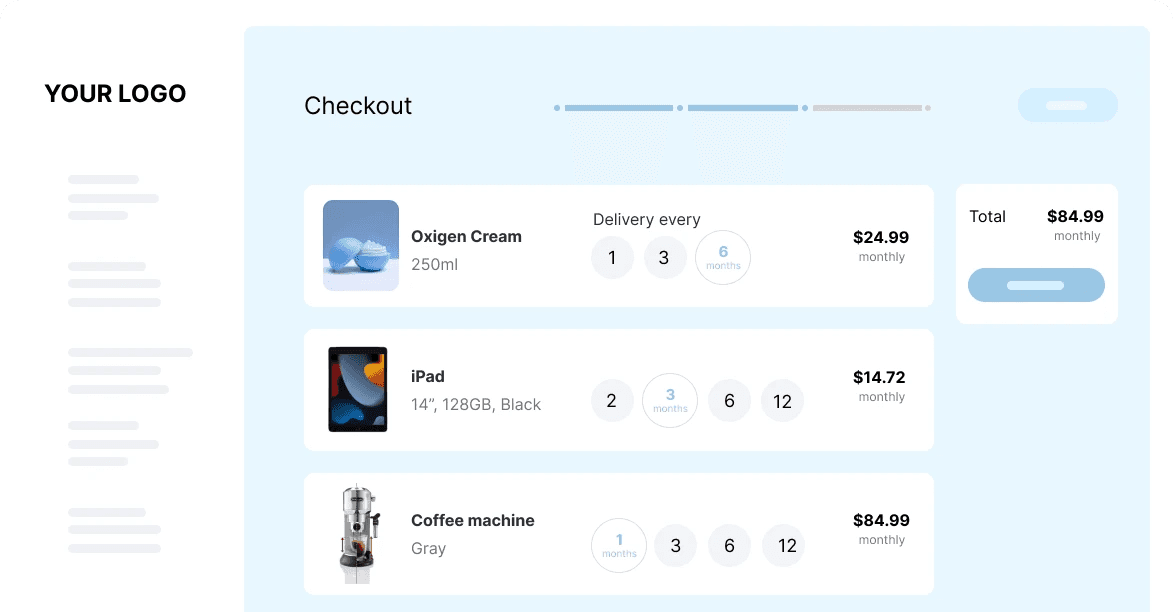
FundNow shines for SaaS and subscription businesses by embedding finance offers at checkout, no extra forms, just a single click for customers. Vendors can easily customize terms on the fly and track utilization in real-time, while clients get instant clarity on their commitments.
Choosing among these platforms comes down to your deal complexity, industry needs, and how much you want to automate. Each platform brings its own flavor, whether it’s high-volume transactional speed, intricate leasing solutions, or seamless customer journeys.
Now that you have a sense of what’s out there, it’s just as important to ensure the platform you choose actually fits with your team’s processes, and sets you up for a smooth rollout. Let’s explore how to make that happen.
Tips for Successful Implementation
Integrating With Existing Workflows
Before rolling out vendor finance software, map out where it connects into your current processes. Identify every touchpoint affected, whether it’s quoting, credit checks, contract generation, or post-sale invoicing. Pilot the integration with a small group of deals first, so you can spot bottlenecks or manual workarounds before scaling up. Aim for seamless data flow, duplicate data entry or reliance on spreadsheets will slow adoption and undercut the benefits.
If your business uses a CRM or an ERP platform, leverage available APIs or direct integrations. This minimizes friction for your teams and reduces errors. Sometimes small configuration tweaks, such as automated notifications or populating data fields across platforms, make a big difference to daily efficiency.
Training Teams and Partners
Training isn’t just about showing users where to click. Share real examples that match your company’s deals and customer interactions. Walk through end-to-end scenarios, starting from a sales conversation and ending with a closed, financed transaction. Checklists and cheat sheets work better than lengthy manuals, give support documents with step-by-step outlines for reference.
Don’t forget external partners: if resellers or brokers interact with the platform, include them in onboarding sessions. Provide quick access to help when questions come up, such as a centralized knowledge hub or chat channel. Regularly ask for feedback during the early days of adoption, adjust materials and processes accordingly to make sure training sticks.
Thoughtful preparation and practical support with implementation set the stage for lasting impact. Now, it's worth exploring the most common questions and concerns that often arise for businesses adopting resourceful vendor finance solutions.
Frequently Asked Questions
What can vendor finance software automate for vendors?
The right software can handle credit checks, proposal generation, deal structuring, contract management, and payment scheduling. Automation here means fewer manual spreadsheets, faster approvals, and less risk of human error.
Is vendor finance software customizable to fit unique workflows?
Yes, reputation matters! Leading solutions offer configurable approval processes, branded client portals, and flexible payment options, so vendors aren’t forced into a one-size-fits-all approach.
How secure is electronic signing within vendor finance platforms?
Most systems use encrypted document storage and audit trails. Digital signatures are typically legally binding, giving peace of mind to both sides of a deal.
Can customers apply for financing directly through these tools?
Absolutely. Many modern platforms let buyers access self-service apps, get instant credit decisions, and sign agreements without chasing down paperwork or emails.
Does vendor finance software integrate with existing CRM or ERP systems?
Often, yes. Integration can sync customer records, trigger financing options during checkout, and update accounting databases, eliminating double data entry.






💚 Don’t get left behind
Ready To Join The Circular Movement?
United for a smarter shopping experience and a better planet