
Understanding Automated Underwriting Approval: Process, Benefits, and What to Expect
Sofia Rangoni

Dec 10, 2025
What Is Automated Underwriting Approval?
The Evolution of Underwriting: Manual vs. Automated
Getting a loan once meant piles of paperwork and weeks of waiting while a human underwriter manually checked every detail. Today, much of that process happens in seconds, thanks to automated underwriting. These systems have changed how lenders assess risk by using algorithms and large databases instead of pen and paper.

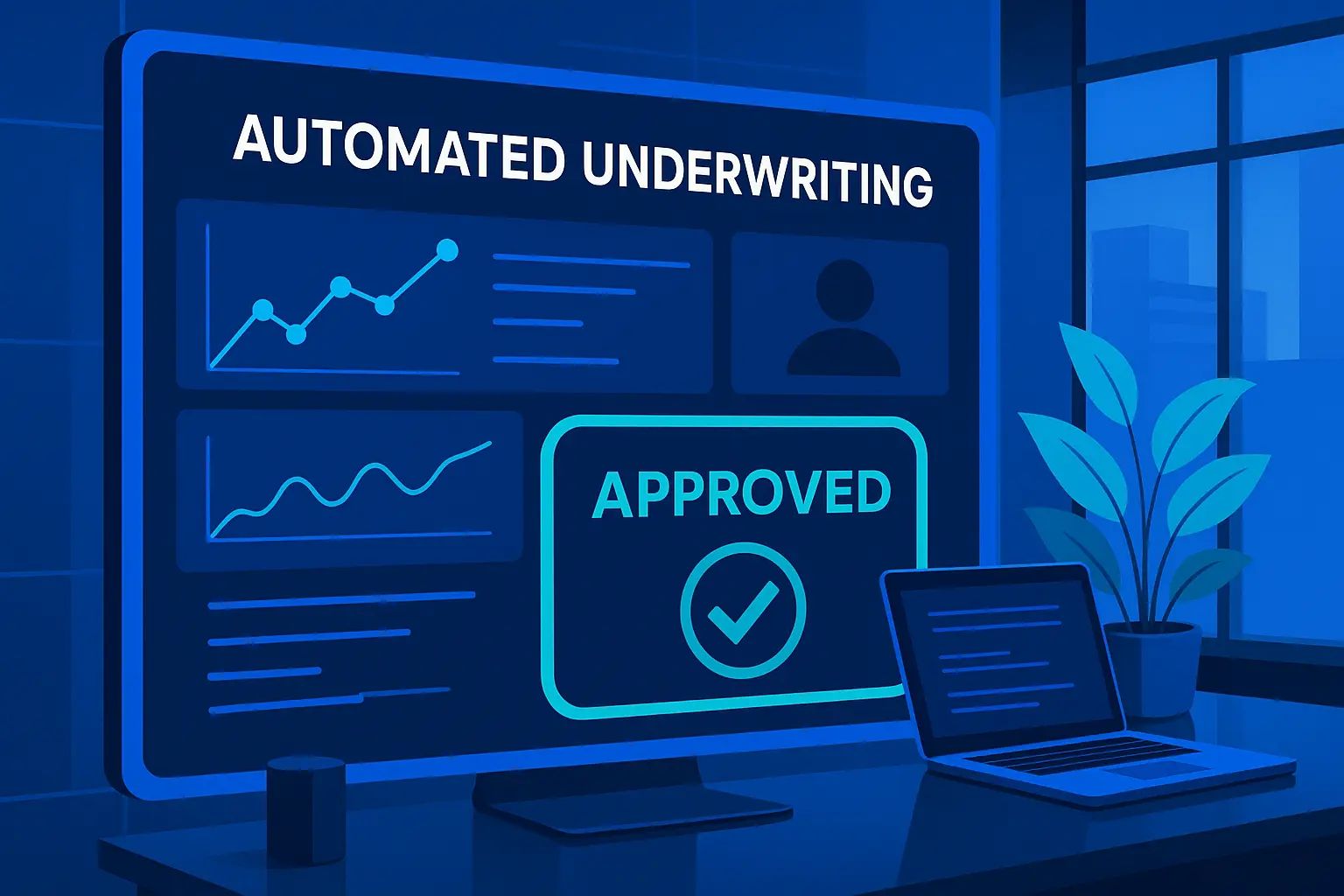
The image above highlights this shift: manual underwriting is slow and prone to inconsistency, while automated processes streamline approvals and help borrowers get answers faster than ever before.
How Automated Underwriting Systems Work
Automated underwriting systems (AUS) review your loan application data, credit reports, and other factors in real time. Instead of one person judging your paperwork, AUS use rules and models built from years of lending data to determine if you meet the lender’s standards. The result? A decision that's both fast and based on hundreds of data points that might be missed in a manual review.
Understanding where automated approval fits into the lending landscape can help you know what to expect when submitting your application. Let’s look closer at the step-by-step journey of an automated approval, so you can see exactly what happens after you hit “submit.”
The Approval Process Step-by-Step
Document Collection and Data Input
The approval journey begins even before any automated system runs its calculations. You’ll be asked for pay stubs, bank statements, tax returns, and permission to check your credit. Lenders need to verify your employment, income, assets, debts, and identity, all of which becomes the digital raw material for automated evaluation.
What Happens Behind the Scenes
Once your documents are gathered and entered, the automated underwriting engine gets to work. It combs through your application, reading details like credit history, income stability, debt ratios, property value, and even past delinquencies. Using thousands of data points, the system applies lending guidelines (set by banks or entities like Fannie Mae and Freddie Mac) and delivers instant decision logic, sometimes highlighting conditions or missing details.
How Lenders Interpret the Results
Automated underwriting issues a response, often “approve,” “refer,” or “caution.” An “approve” means you meet all standard requirements for the loan. A “refer” suggests the system found uncertainties or borderline factors requiring a human underwriter’s review. “Caution” flags significant risks, and almost always calls for deeper manual analysis. Even a green light may come with conditions, like the need to clarify an employment gap or provide a missing document before closing day.
That’s the behind-the-curtain process guiding automated mortgage decisions. Next, we’ll look at what this means for you as a borrower, and how this evolving technology changes the experience for both applicants and lenders.
Key Advantages for Borrowers and Lenders
Speed and Efficiency
Automated underwriting quickly analyzes financial data, delivering decisions in minutes instead of days. This rapid pace benefits borrowers eager to move forward and lenders aiming to reduce bottlenecks. Waiting for approval can be stressful, but automation lets applicants know exactly where they stand, helping both parties move ahead with confidence and less uncertainty.
Consistency and Fairness
Algorithms follow set guidelines, minimizing the risk of decisions swayed by mood or subjective judgment. Borrowers with similar profiles receive uniform evaluations, creating a more level playing field. Lenders, meanwhile, gain the reassurance that their risk assessments are free from human error or unconscious bias, supporting regulatory compliance and boosting customer trust.
Cost Savings and Scalability
Replacing manual labor with automation reduces time and overhead costs, allowing lenders to handle more applications using fewer resources. For borrowers, this can result in lower fees and a smoother experience, not to mention the chance to access more lenders willing to process high volumes efficiently. Streamlining helps institutions scale and innovate without sacrificing accuracy or security.
As you weigh these benefits, it's worth understanding the circumstances where automated systems may have limitations and when a manual review still has a role to play. Let’s get into those details next.
Limitations and When Manual Review Is Needed
Scenarios Likely to Trigger Manual Underwriting
Automated systems can quickly evaluate most standard loan applications, but they aren't designed to handle every financial nuance. Applications with unusual income sources, such as self-employment, gig work, or significant cash deposits, often send up a red flag for automated underwriters. Major life events, like recent divorces or bankruptcies, can also introduce complexities that require human interpretation. Foreign assets, large gift funds, or irregular documentation, such as handwritten pay stubs, usually prompt a manual look.
Areas Where Automated Approval Can Fall Short
Though speedy and efficient, automated systems lean on defined rules and structured data. They can miss the story behind the numbers. For example, a one-time credit blip due to medical expenses can paint an inaccurate risk profile if a computer only crunches figures without context. Similarly, loans for nontraditional properties, like mixed-use buildings, often confuse automated models that prefer plain-vanilla houses. If your circumstance doesn’t fit the typical mold, the algorithm may hit a wall, deferring to a human underwriter to sort things out.
Understanding these limits prepares you for every twist in the approval process. Next, we’ll clear up common questions and tackle what borrowers most often want to know when navigating this system.
Frequently Asked Questions about Automated Underwriting Approval
What is automated underwriting?
Automated underwriting is a computer-driven process lenders use to determine if a loan application meets their criteria. It analyzes your financial data, credit score, and supporting documents, then quickly provides a decision, often in minutes.
Does automated underwriting mean a guarantee of loan approval?
No. While passing automated underwriting is a positive sign, it’s not a final guarantee. Issues may still arise during further review, document verification, or appraisal that can affect the outcome.
Is automated underwriting used for all types of loans?
Most residential mortgages, auto loans, and some personal loans are screened this way, but unique situations, like self-employment or unusual property types, might require a human underwriter’s review.
Will applying with several lenders trigger multiple automated underwritings?
Yes. Each lender you apply with runs their own automated process, but credit bureaus usually treat all mortgage credit checks within a short period as a single inquiry for your score.
Can I influence the outcome of automated underwriting?
Your credit score, income stability, down payment amount, and providing complete documentation all impact a system’s decision. Before applying, cleaning up your credit and gathering all required paperwork improves your chances.
Why might I be referred for manual underwriting after automation?
If your situation doesn’t neatly fit the system’s rules, recent job change, thin credit history, or inconsistent income, for example, the algorithm may flag your file for a closer look by a human underwriter.
As you consider boosting your chances for approval, understanding what steps you can take before and during the application process will help you put your best foot forward.
Tips for Improving Your Chances of Automated Approval
Credit, Income, and Documentation Best Practices
Your credit profile is the starting point for any automated system. Review your credit reports for errors months before applying, and pay down revolving debt to lower your credit utilization. Even a modest reduction in balances can bump your score into a higher tier, which can make a difference in an automated decision.
Be predictable with income. Lenders favor steady employment and clear income documentation. Save pay stubs and bank statements for the past two months, and keep your income directly deposited when possible; it’s easier for systems to verify regular electronic deposits.
Avoid big changes right before you apply. Quitting a job, changing industries, or making large, unexplained bank deposits can introduce uncertainty. Any major moves you make just before or during underwriting can trigger the need for manual review, or delay an approval entirely.
Gather and organize your documentation before you start an application. If you’re self-employed, prepare recent tax returns, profit and loss statements, and clear documentation of any additional sources of funds. Anything that allows the system to quickly verify what you report can keep things moving smoothly.






💚 Don’t get left behind
Ready To Join The Circular Movement?
United for a smarter shopping experience and a better planet