
Top Business Equipment Leasing Companies: How to Choose the Right Partner
Sofia Rangoni

Dec 17, 2025
What Is Business Equipment Leasing?
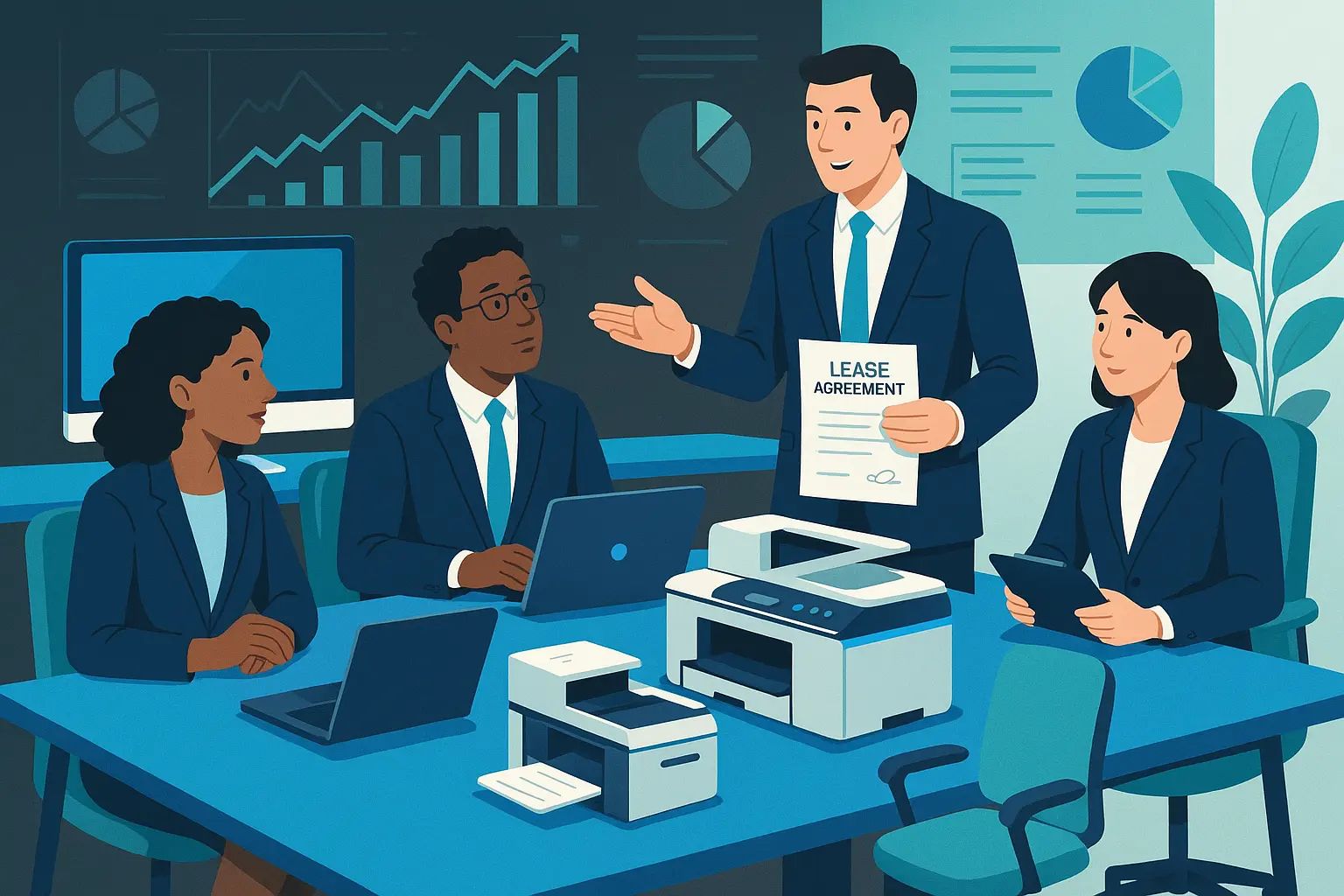
Business equipment leasing is a way for companies to access the gear or machinery they need without shelling out a huge sum upfront. Instead of buying, you rent the equipment for a set period by making regular payments. At the end of the lease, you usually have the option to return the equipment, keep leasing, or sometimes purchase it for a final fee.
How Equipment Leasing Works
A typical lease begins when your business chooses the exact equipment you want from a vendor. The leasing company buys that equipment and technically owns it, while your business pays an agreed-upon amount monthly or quarterly for use of the tools, vehicles, or machines. Throughout the lease, the gear stays in your workspace, helping you run operations without tying up your finances in a purchase. Once the lease wraps up, you might return the equipment or buy it at its current market value, whatever fits your business best.
Leasing vs. Equipment Financing: Key Differences
Leasing and equipment financing both get you the tools your business needs, but the process and costs are different. With a lease, you’re essentially renting the equipment and might never actually own it. Financing, on the other hand, is more like taking out a loan to buy the equipment outright; after paying it off, ownership is yours. Leasing can mean lower monthly payments and more flexibility, while financing tends to cost less overall if you plan to keep the equipment for years.
This approach to acquiring business tools matters because it shapes your cash flow, tax situation, and upgrade options down the line. Now, let’s explore some of the top reasons entrepreneurs and companies choose leasing over buying.
Benefits of Leasing Equipment for Your Business
Preserving Cash Flow
Leasing turns big equipment purchases into manageable monthly expenses, so businesses keep more money on hand for day-to-day needs or new opportunities. Rather than tying up a chunk of capital all at once, you can spread out costs without a heavy upfront payment.
Tax Advantages and Section 179
Section 179 of the IRS tax code often lets you deduct leasing payments as operating expenses, which can help reduce your taxable income. In many cases, you can take immediate deductions for qualified equipment, giving you tax relief the same year you acquire the asset.
Flexibility When Upgrading Technology
Leasing makes it easy to swap out outdated machinery or technology, so your business isn't stuck with aging tools. You can upgrade to the latest models at the end of your lease term, staying ahead of competitors without being tied to obsolete equipment.
With these benefits in mind, it helps to know the range of lease types available, since the right lease structure can further optimize savings and flexibility for your business.
Types of Equipment Leases Available
Not all equipment leases are created equal. The structure of your lease will influence your monthly payments, potential tax benefits, and what happens to the equipment when your contract ends. Here’s a closer look at the main types of equipment leases business owners should know:
Operating Leases
Operating leases work like rentals. You use the equipment for a defined period, pay for that access, but have no obligation to buy it when the lease ends. These leases usually feature lower monthly payments and are best for items that risk becoming outdated, such as computers or other rapidly evolving technology. If you like the idea of swapping out equipment for the latest model every few years, an operating lease is often the right fit.
Capital Leases
Capital leases (sometimes called finance leases) are closer to a long-term purchase. While you don’t technically own the equipment during the lease, you’re responsible for maintenance and insurance, and you often end up with ownership or a nominal buyout at the conclusion of the term. This type of lease is a good choice for essential machinery that you expect to need for many years.
Fair Market Value vs. $1 Buyout Leases
The buyout clause shapes the end of your lease. With a Fair Market Value (FMV) lease, you can purchase the equipment at lease-end for its then-current value, hand it back, or sometimes renew the lease. This option generally keeps monthly costs down. In contrast, a $1 Buyout lease lets you acquire the equipment for just one dollar when your term ends, great if you plan to keep the equipment long-term, but typically with higher monthly payments.
Understanding these different lease structures helps you make a smarter decision, especially when you start weighing what various providers offer. Next, let’s explore how leading leasing companies compare on factors that matter most to business owners.
Comparing the Best Business Equipment Leasing Companies
Industry Reputation and Longevity
A company’s track record says a lot. Those who’ve been around for decades are often better equipped to handle unique challenges. Dig into customer reviews, industry awards, and years in operation to uncover which lessors have proven themselves reliable through recessions, changing regulations, and shifting technology landscapes.
Approval Requirements and Process Speed
Time matters when your equipment need is urgent. Some firms cater to startups and small businesses with streamlined applications that can yield a decision within hours. Others require thorough documentation and lengthy background checks. Check whether your business profile matches the approval criteria, and ask upfront about average turnaround times for both approvals and funding.
Lease Terms and Payment Options
No two leases are the same. The strongest providers offer choices: short or long terms, step payments, seasonal schedules, or deferred options that let you ramp up before larger payments kick in. Scrutinize the fine print for hidden fees, end-of-lease obligations, and flexibility for upgrading or adding equipment mid-term.
Customer Support and Flexibility
Solid support can turn a routine lease into a true partnership. Look for companies that assign dedicated account reps and offer real-time help, especially if your business relies on rapid equipment deployment or has evolving needs. Flexibility to renegotiate during the lease term or adjust service as your business shifts can set one lessor apart from the rest.
Once you've narrowed the field, the next step is to dive into the specifics of applying, so you can secure the equipment your business needs without unnecessary delays.
How to Apply for Equipment Leasing
Eligibility and Qualification
Most equipment leasing companies look for basic signs of business stability rather than perfection. Expect them to check how long your business has existed, typically, one or two years in operation helps. They will also review your personal and business credit history, but don’t panic if it’s not flawless; many lessors consider applicants with average credit, especially if you can show proof of predictable income or significant down payments.
Information and Documents Needed
Gather and organize your paperwork before you start. You’ll need records that paint a clear picture of your business’s finances, such as bank statements, tax returns, and recent financial statements. Some companies ask for a business plan, references, or a summary explaining what you need and why. Also, be ready to provide details about the equipment, such as vendor quotes or model numbers, which help the leasing partner understand exactly what you’re looking to finance.
Timeline: From Application to Equipment Delivery
Once you submit your application, the process often moves faster than a loan. Many leasing firms issue initial approval decisions within a day or two. After approval, you’ll review and sign agreements detailing the lease terms. At that point, the company typically pays the equipment vendor directly on your behalf, sometimes within just a few days. Delivery and setup then depend mostly on the vendor’s schedule, not the leasing company.
With a little preparation, moving from application to equipment in-hand can be surprisingly quick. As you review your leasing options, it’s wise to consider which questions to raise so you avoid unwelcome surprises down the road.
Questions to Ask Equipment Leasing Companies Before Signing
No one wants unpleasant financial surprises or tangled obligations hiding in the fine print. Before committing to an equipment lease, asking the right questions can save you money, stress, and time down the road.
Hidden Fees and End-of-Lease Options
Don’t just look at the monthly payment; ask about add-on fees that might pop up during or at the end of your lease. Do they charge “documentation,” “processing,” or “termination” fees? Find out what happens when your lease ends. Are you locked into purchasing, required to return the equipment, or able to extend your lease? Clarifying these details ensures you’re not caught off guard when the term is up.
Early Payoff, Renewals, and Buyouts
Some companies allow you to pay off your lease early, but not all will reduce the total interest or fees if you do. Ask if early payoff is allowed and, if so, whether it saves you money. Be sure to clarify the difference between a fair market value buyout and a $1 buyout, as each can affect your final costs. Ask how the company handles automatic lease renewals and what options you’ll have as the end date approaches.
Insurance and Maintenance Responsibilities
Who insures the equipment, you or the leasing company? Some companies require proof of insurance or offer their own insurance options at additional cost. Clarify who is responsible for repairs and routine maintenance as well. Knowing your responsibilities up front helps you avoid disputes and unexpected expenses.
Once you’re confident in your understanding of these key terms, you’ll be one step closer to choosing the right equipment and lease structure for your needs. Next, let's explore the types of equipment businesses most commonly lease and what to expect during the selection process.
Frequently Leased Types of Business Equipment
Vehicles and Heavy Machinery
Commercial trucks, delivery vans, excavators, forklifts, and construction equipment often top the list for leasing. These assets are essential for industries like logistics, construction, and manufacturing, but their high upfront cost makes leasing especially attractive. Companies also gain the advantage of regularly updating to newer, more efficient models without the burden of selling outdated equipment.
Technology and Office Equipment
Computers, servers, copiers, and phone systems are commonly leased by businesses aiming to keep up with rapid tech advances. Leasing allows teams to upgrade workstations or shift to cloud-capable hardware without major capital expenditure, ensuring day-to-day operations remain competitive and efficient.
Medical and Specialty Equipment
Healthcare providers frequently lease diagnostic machines, patient monitors, dental chairs, and laboratory devices. For clinics and hospitals, leasing provides a path to access cutting-edge medical technology while maintaining predictable budgets. Outside the medical field, restaurants might lease commercial kitchen appliances, while farms may lease tractors or irrigation systems.
Understanding what types of equipment are most often leased gives you a clearer sense of what to expect as you size up your own business's needs. Next, let’s look at how to spot a truly reliable leasing partner before you commit.
Finding a Trustworthy Equipment Leasing Company
Warning Signs to Avoid
When it comes to leasing equipment for your business, the fine print matters. Watch out for companies that bury essential details in dense contracts or push you to sign before you’re ready. Be suspicious of unusually low rates paired with vague explanations, as these can spell hidden fees down the line. If a company dodges questions about their licensing, or can’t provide a physical address and phone number, that’s a major red flag. Avoid firms that guarantee approval for everyone, regardless of credit, all reputable lenders assess risk before making an offer.
Reading Reviews and Checking References
Don’t settle for slick websites or glossy brochures, focus on what real customers share. Search for verified reviews on third-party sites, not just testimonials on the company’s own page. Look for consistent notes about transparency, clarity of terms, and how the company handles issues. Contact businesses in your network who have leased equipment recently and ask for candid feedback on their experience. Reliable companies are happy to connect you with existing clients as references. If those references are hard to come by, take it as a warning.
Finding a company you can trust makes all the difference, but it takes an upfront investment of time. Now, let’s put that research into action and walk through how the actual leasing process works.
Conclusion: Choosing the Best Equipment Leasing Partner for Your Business
Selecting the right equipment leasing partner can influence your company’s growth, financial stability, and future opportunities. Rather than defaulting to the first provider you find, take the time to investigate track records, transparency, and adaptability to your business’s changing needs.
Pursue a partner invested in your long-term success, one that listens, answers your questions directly, and offers lease terms that don’t lock you into a rigid mold. Read real client reviews, ask for references, and don’t hesitate to walk away if a deal feels one-sided or vague. Trustworthy leasing companies are out there, and the extra diligence can spare you from headaches down the road.
Ultimately, a confident decision comes from asking pointed questions, comparing multiple providers, and trusting your instincts. With a strong leasing partner, you position your business to access essential equipment while keeping cash flow steady and options open for what's next.
As you move forward, keep an eye out for green and red flags, the right choice can become a catalyst for smarter investments and smoother daily operations.



💚 Don’t get left behind
Ready To Join The Circular Movement?
United for a smarter shopping experience and a better planet