
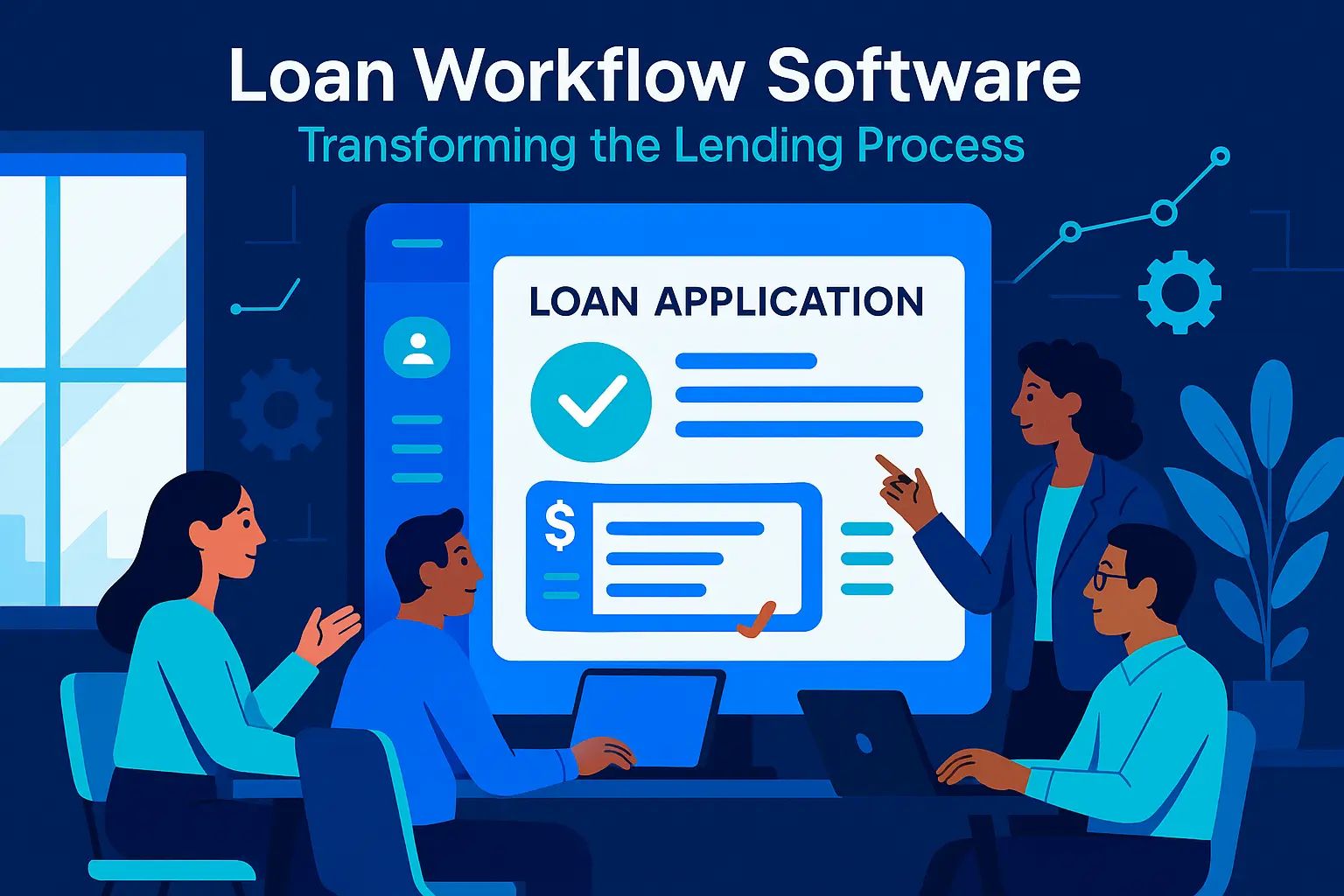
Loan Workflow Software: Transforming the Lending Process
Sofia Rangoni

Jan 16, 2026
What is Loan Workflow Software?
Loan workflow software is a digital platform that manages and automates the step-by-step tasks involved in originating, processing, and approving loans. Instead of bouncing paper forms and spreadsheets between teams, this software brings the entire lending process into one connected environment. From the moment an application arrives to the final decision, every stage is mapped out, tracked, and managed automatically.
Core Features
At its core, loan workflow software captures application data, organizes tasks, and automates next steps as conditions are met. It makes it easy for lenders to collect documents, verify information, and assign work to the right people without manual hand-offs. Built-in validation checks help catch missing or inconsistent information early, while dashboards and activity logs keep everyone informed in real time. The best platforms also support electronic signatures, secure document storage, and seamless communication between borrowers and lending teams, reducing confusion and turnaround times.
Types of Loans Supported
Loan workflow platforms aren’t one-size-fits-all, they’re built to adapt for everything from mortgages and personal loans, to auto financing, small business lending, and even specialized products like equipment leasing. Flexible workflows can be customized to match the requirements and regulations of each loan type. This versatility ensures that whether you’re processing simple consumer loans or complex commercial applications, your workflows stay organized, compliant, and scalable.
Now that you understand what loan workflow software is and the flexibility it provides, it’s important to see why lending teams are turning to automation to stay competitive in today’s fast-paced financial environment.
Why Lending Teams Need Workflow Automation
Manual vs Automated Workflows
Managing loans with spreadsheets, email threads, and paper documents might work at a small scale, but it quickly turns chaotic as volume grows. Each extra step, whether it's chasing signatures or double-checking paperwork, multiplies the chance for error. Manual workflows force teams to spend hours on routine data entry and status updates instead of serving customers or reviewing applications. In contrast, an automated loan workflow handles repetitive tasks in the background, instantly notifying the right people, tracking progress, and moving information between systems without missing a beat.
Common Bottlenecks in Traditional Loan Processing
Traditional processes often bog down under the weight of missing documents, lost time waiting for approvals, and confusion about application status. Details can slip through the cracks. Delays stack up with every email sent for clarification or signature, and miscommunication between teams causes further holdups. It's not unusual for a single pain point, such as a misplaced file or an unclear workflow, to stall an application for days. Workflow automation clears these roadblocks, offering step-by-step visibility and ensuring nothing falls through.
When you examine how automation side-steps these common frustrations, it becomes clear how transformative the right technology can be. Next, we'll trace exactly how automated workflows reshape the lending journey from the very first step onward, so you can picture the new process in action.
How Loan Workflow Software Works: Step by Step
Application Initiation
The process begins when a borrower submits a loan application through a digital form. Instead of shuffling through printed forms or deciphering handwritten notes, the software guides the applicant through structured fields, ensuring all critical information, like income, collateral, and identification, is captured up front. This first touchpoint sets the pace for a seamless digital journey and kicks off the automated process within the lender’s system.
Document Collection & Verification
Once the application lands in the system, the software sends out tailored requests for supporting documents such as bank statements, proof of income, and tax records. Applicants can upload files directly or connect accounts for automatic fetching of data. Integrated verification tools check document authenticity, flagging incomplete or suspicious submissions before they ever reach human eyes.
Workflow Routing and Task Assignment
With documents in place, the workflow engine springs into action, automatically routing each application to the appropriate reviewers. Tasks like initial review, credit check, or risk assessment are queued up and assigned to staff based on factors like workload and expertise. Nothing gets lost in a sea of emails or sticky notes, everyone knows exactly what needs attention and when.
Approval and Underwriting Automation
Integrated underwriting rules analyze the application and accompanying data, calculating eligibility and flagging exceptions that need manual review. Pre-defined triggers, such as a low credit score or missing documentation, initiate alerts or additional steps. This blend of automation and human oversight speeds up decisions without sacrificing accuracy.
Reporting, Auditing, and Insights
Once a decision is made, the system compiles a complete digital record of every step taken along the way. Real-time dashboards give managers instant insights into loan volumes, approval rates, common bottlenecks, and compliance metrics. Auditing tools make regulatory reporting a breeze by keeping every action transparent and traceable.
Understanding each stage of this digital loan journey makes it clear how much process automation has reshaped lending. Next, let’s explore how these changes translate into real advantages for both lenders and borrowers.
Benefits for Lenders and Borrowers
Speed and Efficiency
Loan workflow software trims away slow, repetitive steps from the application process. What once took days of back-and-forth over email or paper is now completed in hours. Automated reminders, instant status updates, and centralized document access mean applications rarely stall, keeping both lenders and borrowers moving forward.
Accuracy and Risk Reduction
Manual data entry is error-prone. Loan workflow platforms pull information directly from forms, flag missing details, and reduce the chances of costly mistakes. Built-in logic checks spot inconsistencies before they travel any further. This not only protects lenders from loan losses but also saves borrowers from unnecessary delays caused by preventable errors.
Improved Borrower Experience
The clarity of progress tracking, digital document uploads, and e-signatures transforms the lending journey. Borrowers know exactly what’s needed and when, avoiding the anxiety of waiting for updates. This transparency and convenience builds trust, which can turn one-time applicants into long-term clients.
Compliance Made Easier
Regulations around lending keep evolving, and falling short invites penalties. Modern loan software automatically tracks and logs key actions, ensuring audit trails are never incomplete. Built-in rule engines update quickly as requirements change, giving lending teams confidence that every loan meets current standards.
With these advantages in mind, the next step is understanding which features truly drive these benefits, and how to identify the right loan workflow solution for your institution’s needs.
Key Features to Look For in Loan Workflow Software
Custom Workflow Designer
A good loan workflow platform makes it easy for teams to map out lending steps visually, adapting processes for everything from mortgages to business lines of credit. Drag-and-drop builders let you update or tweak stages in real time, no IT ticket required, so your system matches your own unique approvals and compliance needs.
Document Management and E-signatures
Chasing paperwork slows everything down. Effective workflow software collects, organizes, and stores borrower documents in one secure repository. Built-in e-signature tools let applicants and staff sign forms from anywhere, shrinking delays to just a few clicks.
Integration with Core Banking and CRM
Loan data doesn’t live in a vacuum. The ideal solution links seamlessly to your core systems, think accounting, credit bureaus, CRM tools, allowing updated borrower data to flow in both directions. This eliminates duplicate data entry and provides a clear, connected borrower view for your whole team.
Real-Time Notifications and Dashboards
No more wondering where an application stands. Built-in dashboards display pipeline health, team workloads, and bottlenecks instantly. Smart notifications keep staff and borrowers in the loop, from document requests to approval alerts, so nothing falls through the cracks.
AI and Automation Capabilities
Modern loan workflow platforms harness AI to flag incomplete applications, verify identity, or even suggest approvals based on past decisions. Automation features handle routine steps, freeing your staff to focus on complex cases, not repetitive, error-prone tasks.
Choosing loan workflow software isn’t just about ticking boxes, these features lay the groundwork for a more flexible, future-ready lending process. Next, let’s zero in on how to evaluate these options to fit your organization’s unique needs.
Choosing the Right Software: Factors to Consider
Scalability and Flexibility
The ideal loan workflow software grows with your business. Look for a system that won’t buckle as your lending volume increases, and one that can be tailored to unique loan products and regulatory environments without costly rewrites or downtime.
Integration and Onboarding
No platform exists in isolation. Seamless connection to your existing banking systems, CRMs, and credit bureaus saves time and prevents errors. Also, take a close look at the onboarding process: software that is rigid or time-consuming to implement can quickly drain resources and stall momentum.
Security and Compliance Certifications
Financial data is a prime target for cybercriminals, so robust encryption and permission controls are not negotiable. Check for industry-standard certifications like SOC 2, ISO 27001, and up-to-date regulatory compliance support to avoid unnecessary risk and surprises during audits.
Vendor Support and Reputation
When technical issues arise, fast and knowledgeable support matters. Research vendor track records: are they responsive, proactive, and genuinely invested in your success? User reviews, industry awards, and references can reveal whether a provider’s promises translate into a reliable partnership.
Once you’ve narrowed your shortlist using these criteria, the next logical step is to see how leading solutions stack up, both in terms of features and real-world performance, so you can make an informed choice with confidence.
Popular Loan Workflow Software Solutions
Comparing Top Platforms
When comparing loan workflow software, several names stand out for their unique strengths and specialty features. For example, nCino remains a top choice among commercial lenders due to its seamless Salesforce integration and robust compliance checks. Finflux and Floify are often favored by mortgage brokers and community lenders because of their streamlined borrower portals and built-in document verification tools. Lendsmart distinguishes itself with strong AI-powered automation, reducing manual interventions during underwriting. For teams seeking customization, ProcessMaker offers visual workflow design, giving financial institutions hands-on control of task flows without writing code.
Opting for the right platform often hinges on the institution’s loan types, integration needs, and preferred user experience. While some software excels in speed and borrower communication, others are valued for their analytics dashboards or compliance frameworks. The right fit comes down to balancing these priorities against the realities of day-to-day lending operations.
Use Cases and Success Stories
Real-world results show just how transformative loan workflow automation can be. A regional credit union using nCino reported cutting loan turnaround times in half, allowing them to close loans faster and boost member satisfaction. An independent mortgage firm using Floify saw a 40% reduction in missing documents thanks to automated checklists and reminders for borrowers. Meanwhile, a mid-sized bank using Lendsmart’s AI workflows revealed a significant drop in manual errors during underwriting and document review.
These examples highlight that, regardless of the lending segment, mortgages, personal loans, or SMB lending, the right workflow software not only accelerates approvals but also enhances accuracy and the overall experience on both sides of the desk.
If you’re ready to explore how to bring these tools into your own organization, a thoughtful implementation plan is key. Next, we'll break down practical tips for making your transition smooth and successful.
Getting Started: Implementation Tips
Planning the Rollout
Start small. Identify a pilot team or product line before going all-in. Assess workflow bottlenecks. Map out every step, from application submission to final approval, so you know exactly where automation will have the most impact. Involve frontline lending staff early. Their feedback during these early stages can prevent surprises later.
Staff Training and Adoption
Effective onboarding isn’t just about handing out manuals. Offer brief, targeted sessions, think live demos and hands-on walkthroughs that focus on real loan files. Encourage lenders to share tips and shortcuts. Keep the support lines open for questions, especially in the first few weeks, to build user confidence fast.
Measuring Success and Optimization
Track specific metrics from day one: average processing times, error rates, and how many applications get stuck at each step. Review this data after the first month, then again each quarter. Don’t just look for improvements, check where things are still slow, so you can refine the workflow. Celebrate wins with the team to boost morale and adoption.
Taking these practical first steps paves the way for a smoother transition and lasting improvements. Up next, let’s tackle some of the most common questions teams have when bringing new loan workflow software onboard.
Frequently Asked Questions
How does loan workflow software actually speed up lending?
Loan workflow software eliminates repetitive paperwork and keeps every step moving digitally. Applicants upload documents online, automated tasks nudge staff when it’s their turn, and approvals zip through without waiting on email chains or physical files to move around offices.
Is this software secure enough for sensitive financial data?
Yes, reputable platforms use advanced encryption, role-based access, and frequent security audits. These solutions often meet or exceed the same compliance standards as banking systems, ensuring borrower and lender data stays protected.
Will automating workflows mean less personal service for borrowers?
No, if anything, it means better service. Staff spend less time hunting down documents or fixing errors, and more time answering borrower questions. Automation covers back-office tedium while humans handle decisions and relationship-building.
Can this software handle complex, custom lending processes?
Modern solutions are designed to be flexible. You can typically tailor workflows for specific loan types, approval hierarchies, and document needs, without piling on manual steps or custom coding.
What’s the typical return on investment?
Most lenders see quicker loan closures, fewer errors, and higher borrower satisfaction in months—not years. Exact numbers vary, but these savings far outpace the old costs of paper processing, manual rework, and lost deals.




💚 Don’t get left behind
Ready To Join The Circular Movement?
United for a smarter shopping experience and a better planet