
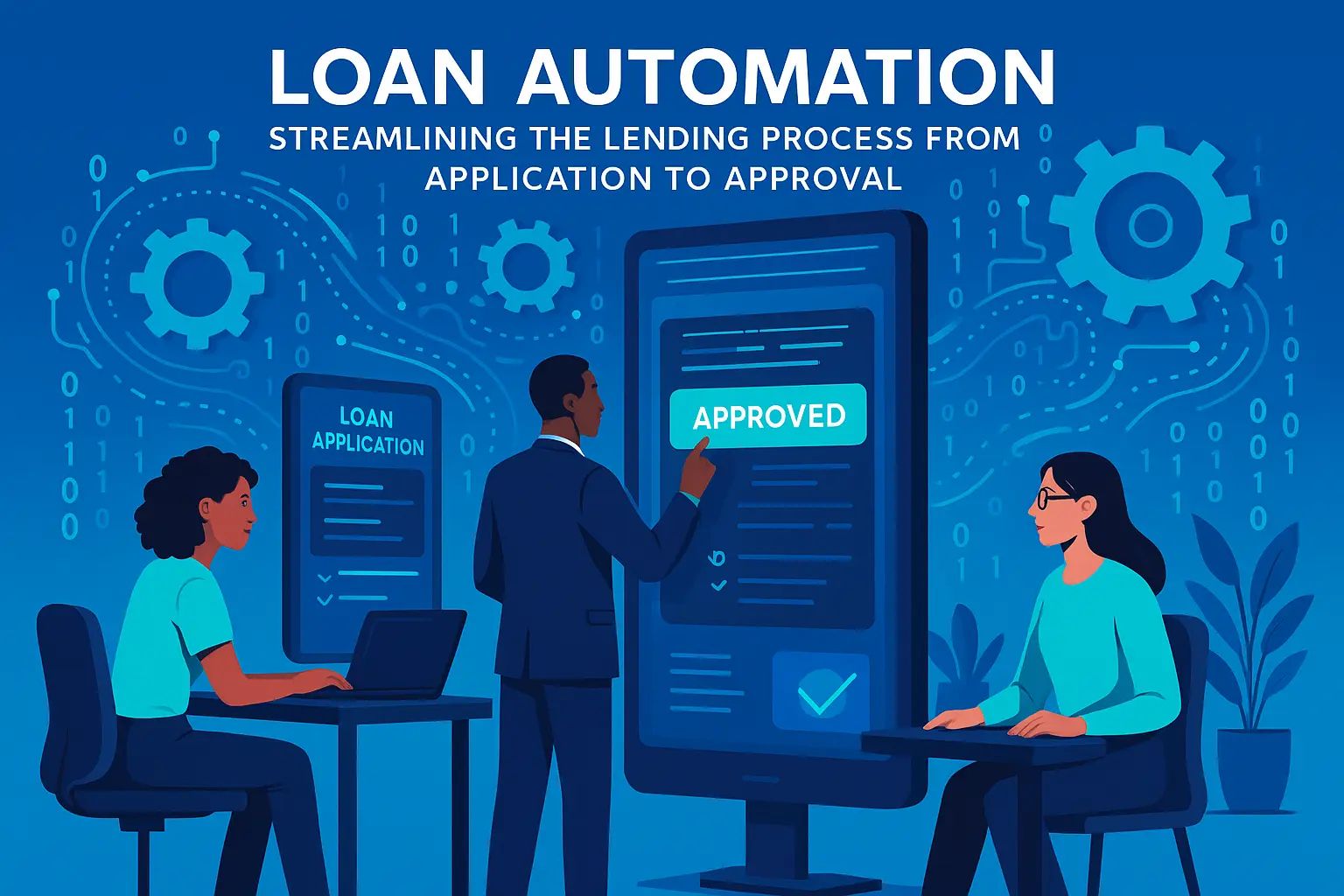
Loan Automation: Streamlining the Lending Process from Application to Approval
Sofia Rangoni

Feb 10, 2026
What Is Loan Automation?
Defining Automated Lending Workflows
Loan automation means using software to move loan applications through the approval process with minimal human touch. Instead of lenders manually checking forms and chasing documents, digital tools handle data entry, verify paperwork, and route applications to the right checkpoints. Automated workflows stitch together every step from the first online form submission to the final approval, letting loan officers focus their attention on outliers and complex scenarios rather than the repetitive routine.
Manual vs. Automated Loan Processing
Traditional loan processing is slow and error-prone: paperwork gets lost, signatures take days to gather, and each detail is checked and rechecked by staff. Automated systems, on the other hand, pull together bank statements, pay stubs, ID documents, and credit data instantly. Algorithms scan for inconsistencies and flag incomplete applications, eliminating lineup bottlenecks. This shift transforms what used to take days or weeks into a far smoother, faster experience on both sides of the bank counter.
Understanding the foundation of automated lending is the first step. Next, we'll see how each stage of the process comes together to create a seamless application journey for both borrower and lender.
How Loan Automation Works Step by Step
Digital Loan Applications
The process begins online: applicants fill out a digital form, often on a secure web portal or mobile app. These forms automatically pull in user data, like employment history or address, reducing repetitive typing and common mistakes. The result is a fast, frictionless start that skips the old days of paperwork piles.
Automated Document Gathering and Verification
Once submitted, software collects and checks required documents, tax filings, pay stubs, identification, directly from authorized sources. Built-in tools verify authenticity, flag incomplete records, and even let applicants upload missing files instantly. This replaces manual back-and-forth and keeps things moving.
Automated Credit Assessment and Risk Scoring
In the background, algorithms crunch applicant data. They pull credit scores, examine banking patterns, and weigh income alongside expenses. Risk models assign a score in seconds. Lenders get a clear assessment without sifting through months of statements or making endless phone calls.
Instant Decisioning and Notifications
Based on the risk score and eligibility checks, the system instantly returns a decision, approval, decline, or request for more information. Automated alerts are triggered, so applicants are updated right away by email or SMS, cutting out days of uncertainty.
Integration with Core Banking Systems
If approved, the platform syncs with core banking systems to open accounts, fund loans, or schedule repayments, all without manual entry. This tight integration ensures data accuracy and a seamless journey, right up to the point where money is disbursed and records are updated.
Now that you know the precise steps behind automated lending, it's time to consider the direct benefits these changes bring to lenders and borrowers alike.
Key Benefits of Loan Automation
Faster Turnaround Times
Waiting days, or even weeks, for loan approval can frustrate both borrowers and lenders. Automation trims this lag dramatically. With digital forms, real-time eligibility checks, and automated verifications, decisions that once took days can now happen in minutes. The process keeps moving even after business hours, so applicants aren’t left in limbo.
Increased Accuracy and Fewer Errors
Manual data entry leaves plenty of room for mistakes: mistyped numbers, missing signatures, or overlooked documents. Automated systems pull information directly from digital sources and verify data as it arrives. This minimizes the need for back-and-forth corrections and cuts down on preventable denials or delays.
Improved Customer Experience
Borrowers notice when things are easy and transparent. Automation keeps applicants informed at every stage, sends instant notifications, and reduces paperwork. Instead of chasing updates or resubmitting the same document, customers see a clear path from start to finish, and are far more likely to complete their application.
Better Fraud Detection
Automated systems spot inconsistencies much faster than human reviewers. By cross-referencing application data with trusted databases in real time, automation helps weed out suspicious patterns before they cause damage. This proactive approach not only protects lenders but also honest borrowers.
Cost Savings for Lenders
Replacing repetitive manual tasks with automation translates directly into fewer hours spent on each application. Lenders can scale up their lending volumes without adding to payroll or infrastructure costs, boosting margins while maintaining consistency and reliability.
Understanding these benefits leads directly to the question: which types of lending stand to gain the most from automation? The next section highlights where these improvements really move the dial.
Where Loan Automation Delivers Most Impact
Personal Loans
For personal loans, speed matters most. Automated systems swiftly review application data, verify identity, and perform instant credit checks. As a result, borrowers move from interest to approval in hours, not days. The reduction in manual data entry slashes errors, and integrated e-signatures mean funds are often delivered same-day.
Mortgage and Home Loans
Home financing involves thick paperwork, repeated checks, and many touchpoints. Automation simplifies everything: applicants upload documents digitally, while algorithms cross-examine tax returns, pay stubs, and banking history. This transparency cuts wait times and minimizes back-and-forth with underwriters, allowing borrowers to focus on finding their new home, rather than chasing paperwork.
Auto and Indirect Lending
When buying a car, buyers and dealerships want quick answers. Automated lending is crucial in this space, approving loans right at the dealership or online within minutes. Systems fetch and validate customer details, analyze financing options, and send clear offers to dealers. This immediacy helps car buyers drive off the lot the same day, creating less friction and happier customers.
Small Business Loans
Small businesses often need funds urgently to seize opportunities or tackle challenges. Automated loan platforms assess risk using bank feeds, business performance data, and sector insights. What used to take weeks can now happen in a matter of hours, empowering entrepreneurs to make timely decisions for their business’s growth.
As automated systems continue to evolve, the real transformation in lending comes from new layers of intelligence and real-time learning. In the next section, let’s explore how smarter technology is pushing automation further than ever before.
AI and Machine Learning in Loan Automation
Real-Time Data Analysis for Faster Decisions
Loan automation powered by AI sifts through vast amounts of data in seconds. Instead of waiting hours for manual reviews, algorithms assess income, spending patterns, credit history, and even alternative data instantly. This real-time data analysis means applicants can get decisions quickly, even outside of banking hours, and lenders can rely on up-to-date information every time.
Automated Fraud Detection With AI
Traditional fraud checks look for basic inconsistencies, but machine learning models identify subtle patterns that humans miss. AI spot potential identity theft, synthetic identities, and document forgeries by comparing thousands of data points, such as device fingerprints and login behavior. As a result, fraudulent applications are flagged within moments, shielding lenders and applicants from costly scams.
Adaptive Credit Scoring Models
Machine learning doesn’t settle for static credit rules. Instead, AI-based credit scoring learns from new data and ever-changing borrower behavior. For someone with a thin credit file or shifting employment history, adaptive models can pull from alternative data, like bill payments or rental records, offering a fairer and more accurate assessment. This flexibility brings more people into the fold of responsible lending without increasing risk.
As smart automation gets smarter, lenders can run leaner operations while delivering almost instant decisions to applicants. But integrating AI also comes with new challenges, especially around compliance, privacy, and managing outlier cases, which we’ll tackle in the next section.
Challenges and Considerations
Ensuring Regulatory Compliance
Lending isn’t just numbers and algorithms, regulations shape every part of the process. Loan automation must juggle federal and regional laws, from anti-money laundering rules to fair lending practices. Automated systems need regular updates as laws evolve, or lenders risk hefty fines and reputational damage. Automated decision engines must be transparent, enabling clear audit trails to prove compliant actions.
Maintaining Data Security and Privacy
Loan automation lives on sensitive data: income statements, identification documents, credit histories. Cyber threats target this data constantly. Firewalls aren’t enough; robust encryption, multi-factor authentication, and careful access controls are vital. Privacy laws, such as GDPR and CCPA, demand that systems not only secure customer data, but also allow consumers to access and remove their information if they choose.
Dealing with Complex Loan Scenarios
While automation can zip through routine personal loans, it struggles with edge cases, like borrowers with variable incomes, business loans requiring custom covenants, or cases involving nontraditional credit profiles. Sometimes, nuanced judgment or manual documentation review is unavoidable, which means hybrid workflows remain necessary. Properly designed systems should allow for human intervention when an application falls outside predictable patterns.
Tackling these hurdles is essential before embracing new lending technology. Next, let's explore how to lay the groundwork for a smooth transition to automated processing that keeps both compliance and flexibility intact.
Getting Started with Loan Automation
Essential Features to Look For
When evaluating loan automation platforms, prioritize tools that simplify applicant input, automate documentation checks, and support quick credit assessments. The most useful systems offer customizable workflows, so you can tailor the automation to fit your lending products. Don’t overlook advanced analytics dashboards, they help teams spot bottlenecks, track loan lifecycles, and measure performance at a glance. Also, make sure the platform includes robust compliance management features, making audits and regulatory changes less of a headache.
Integration with Existing Systems
Adopting automation doesn’t mean replacing your core banking or CRM systems. Instead, seamless integration is key. Look for solutions with prebuilt connectors or open APIs that work with your current tech stack. This allows for real-time data exchange, reduces manual inputs, and ensures a consistent experience for both staff and applicants. Before committing, map out the data flow between systems, you may want IT support on hand to troubleshoot compatibility and ensure smooth handovers between platforms.
Steps to Transition from Manual to Automated Processing
Shifting from manual processes to automation can feel overwhelming, but breaking it down helps. Start by documenting each step of your current loan workflow. Identify repetitive tasks and obvious slowdowns, these are prime targets for automation. Next, pilot the new technology with a small set of loans or a single product line. Gather feedback from both staff and customers during this phase to refine the process. Once tested, expand automation gradually, supporting your team with training and clear communication throughout the rollout. Continuous monitoring will help identify new opportunities to streamline even further.
Taking measured steps to implement loan automation sets the foundation for more impactful digital transformation, soon, you’ll see how this shift can help turn lengthy, paper-heavy approvals into efficient, customer-friendly experiences.
Case Study: Automation Reducing Loan Processing Times
Three years ago, Sunrise Community Bank struggled with a familiar problem: sluggish loan approvals. Customers often waited dayseven weeks, to learn if their applications were approved. Most of the delay came from manual document collection, back-and-forth communication, and lengthy credit checks handled by hand.
Determined to fix this bottleneck, Sunrise rolled out an automated lending platform. Applicants simply uploaded their documentation through a secure portal. The system instantly scanned paperwork, cross-checking names, income documents, and identity data. Integration with national credit bureaus allowed credit checks to run in parallel, eliminating backlogs.
Within the first six months, loan processing time dropped from an average of seven days to less than 24 hours. In many cases, especially for prequalified borrowers, the system triggered same-day approvals. Customers appreciated real-time notifications and digital signatures, sparing them repeated trips to their local branch.
Staff at Sunrise also benefited. Freed from paperwork, loan officers now spent more time on complex cases and customer relationships. Automation didn’t just mean speed, it sharpened data accuracy, too. Errors in income calculation, once the most common cause of manual review, fell by over 60%.
Today, Sunrise processes nearly twice as many loans per month as before automation, yet their team size hasn’t changed. The bank’s experience highlights just how much an automated platform can transform customer expectations and operational capacity.
This success story sets the stage for deeper questions and practical concerns, like how automation can fit organizations of all sizes, and what human oversight is still needed as technology takes the spotlight.
FAQs on Loan Automation
Who Benefits Most from Loan Automation?
Borrowers enjoy quicker decisions and less paperwork, while lenders cut back on repetitive work and minimize errors. Underwriters get actionable data immediately, and operations teams see smoother, more predictable workflows.
Can Automation Fit Small Lenders and Credit Unions?
Absolutely, modern automation tools are modular and can scale to fit even the tightest budgets or smallest teams. Lightweight platforms help community banks and credit unions compete with larger players without sacrificing personal service.
Is Human Oversight Still Needed?
Yes, automation handles routine checks and data crunching, but experienced staff still review outliers, spot nuanced risks, and make the final call when complexity arises. Technology elevates human judgment by handling the grunt work.






💚 Don’t get left behind
Ready To Join The Circular Movement?
United for a smarter shopping experience and a better planet