
Lease Management Software: Features, Benefits, and How to Choose the Right Solution
Sofia Rangoni

Feb 25, 2026
What is Lease Management Software?
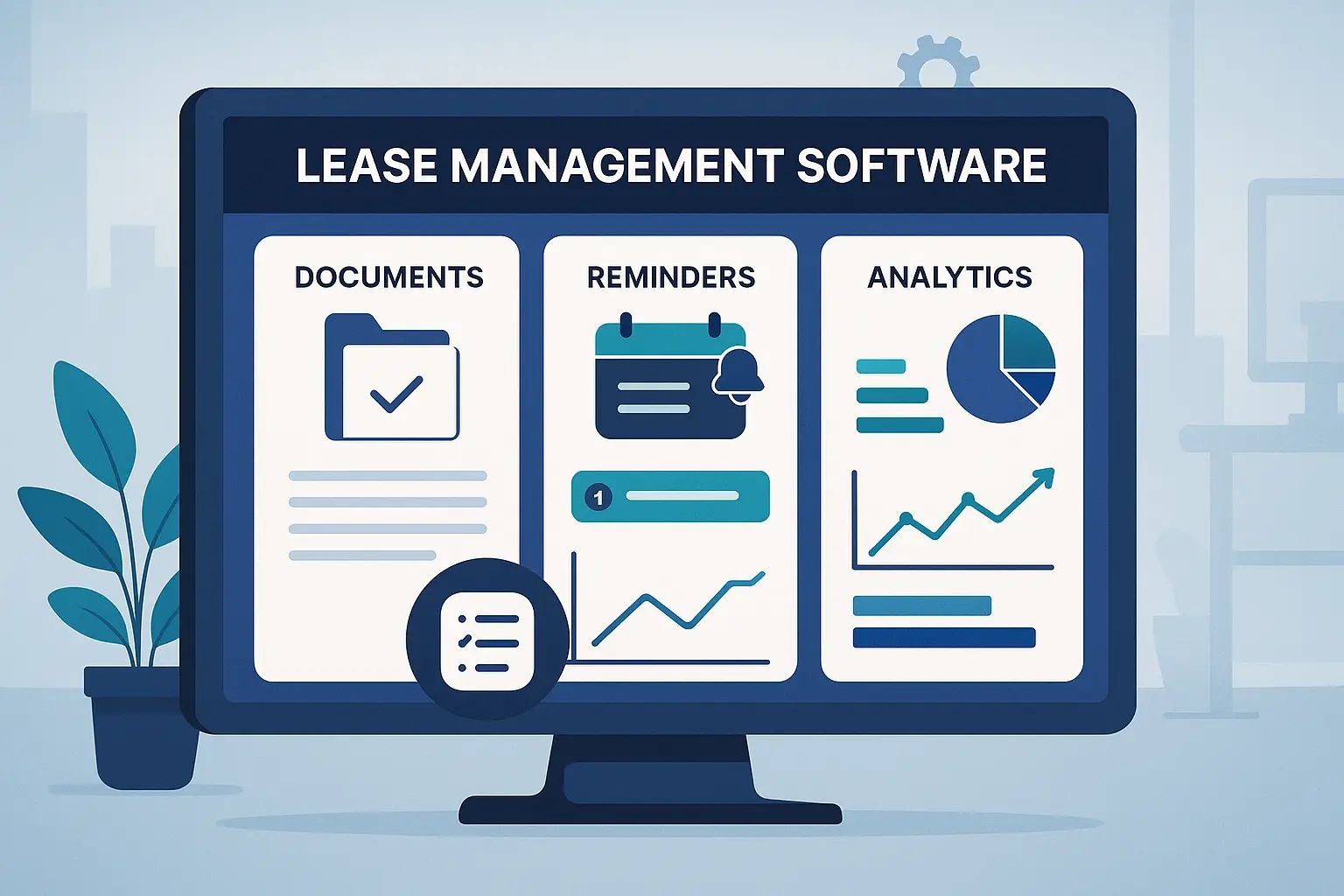
Lease management software is a digital solution designed to help businesses and property managers organize, monitor, and optimize their leased assets. Instead of juggling paper documents, scattered spreadsheets, and missed deadlines, lease management platforms bring all the necessary information into one dashboard, making leases easier to handle, from tracking payments to monitoring obligations.
How Lease Management Differs from Lease Administration
While people often use “lease management” and “lease administration” interchangeably, there’s a subtle difference. Lease administration is about the day-to-day logistics: recording payments, handling renewals, tracking key dates, and storing contracts. Lease management, on the other hand, adds a strategic layer, analyzing portfolios for cost savings, preparing for audits, or forecasting lease-related expenses. In short, administration keeps you compliant, management drives smarter decisions.
Lease Types: Real Estate, Equipment, and More
These platforms don’t just work for office buildings. Lease management software handles retail spaces, warehouses, land, vehicles, IT hardware, heavy equipment, and more. Any agreement that involves regular payments or renewals, whether for a fleet of trucks or a portfolio of properties, can be centrally tracked and managed. This flexibility is what makes these tools indispensable across industries.
Understanding what lease management software offers sets the stage for exploring the range of tools and capabilities to look for when choosing a platform.
Key Features to Look For
Centralized Lease Document Storage
Digging through cluttered folders and scattered emails wastes time and creates risk. The best lease management software keeps all contracts, amendments, floor plans, and supporting files in one searchable, secure location. Look for drag-and-drop uploads, document versioning, and easy access controls to eliminate confusion over “latest” copies and missed paperwork.
Automated Reminders for Critical Dates
Missed renewal deadlines or rent review dates can be costly. Smart software flags upcoming expirations, rent escalations, and option windows with email or in-app notifications, keeping you ahead of every milestone. Bonus: customizable workflows let you set reminder lead times that fit your process.
Customizable Reports and Analytics
Default reports are rarely enough when you need to answer specific questions from your finance team or executives. Seek tools that offer flexible reporting, from expense summaries and lease obligations to location performance and payment forecasts. Bonus points for easy-to-export charts and dashboards.
Built-in Compliance Tools (IFRS 16, ASC 842, GAAP)
Modern lease accounting standards require detailed calculations, disclosure tracking, and audit trails. Choose platforms with built-in compliance calculators and audit-ready reports to save hours during close and stay worry-free during audits.
AI and Automation Capabilities
Today’s smart lease management systems read documents, extract key terms, and flag missing clauses using AI. Automation can streamline approval routing, calculate CPI-based increases, and reduce manual entry, making portfolios easier to manage as they grow.
Seamless Integration with Accounting and ERP Systems
Lease operations never stand alone. Prioritize platforms that sync with your accounting, payment, and ERP systems, avoiding duplicate data entry and keeping financials up to date. Popular integrations include QuickBooks, SAP, Oracle, and Microsoft Dynamics.
User Roles and Team Collaboration
Managing leases often involves facilities managers, legal, accounting, and executives. Find software with granular permissions, approval workflows, and shared notes to support teamwork without oversharing sensitive information.
With these essential features in mind, let’s see how lease management software delivers tangible time and cost savings for your business.
How Lease Management Software Saves Time and Money
Reducing Errors and Overcharges
Lease management software automatically flags discrepancies that could otherwise slip by unnoticed, whether in rent calculations, escalation clauses, or recoverable expenses. With validation checks running behind the scenes, accidental overpayments or missed charges become rare exceptions rather than costly surprises. Automated audit trails also make it easier to resolve disputes and justify every payment.
Eliminating Manual Data Entry
Gone are the days of entering lease details into multiple spreadsheets or double-checking calendar reminders. Modern platforms extract key dates, amounts, and obligations directly from digital contracts, then sync deadlines across your workflows. This not only cuts hours of repetitive work each month but also frees up staff for higher-value tasks, like analyzing cost-saving opportunities.
Improving Portfolio Visibility for Better Decision-Making
At a glance, lease management software offers dashboards that reveal upcoming commitments, break options, and market comparables. This bird’s-eye view helps organizations avoid expensive last-minute renewals or penalties, identify underused assets, and spot trends across locations. With up-to-date insights at their fingertips, teams can negotiate from a position of strength and allocate resources more strategically.
Understanding how these efficiencies translate into real results is just the beginning. Next, we'll take a closer look at leading solutions available on the market, highlighting how their individual strengths can impact your leasing operations.
Popular Lease Management Software Platforms Compared
Pricing Models Explained
Most lease management software is subscription-based, but pricing metrics can differ. Some charge per user, others per asset or lease, and a few have tiered features at different price points. It’s common to see monthly or annual billing, with costs scaling up as your portfolio grows. While some providers display pricing transparently, it’s more typical for enterprise-focused platforms to quote custom rates tailored to your needs.
Unique Strengths of Leading Tools
The top solutions aren’t interchangeable, they have different strengths. LeaseAccelerator is a compliance powerhouse with features built around regulatory needs. Visual Lease stands out for its simple dashboards and quick report generation, ideal for teams managing varied leases. CoStar Real Estate Manager weaves in market data to boost strategic decisions, particularly for large retail or office portfolios. LeaseQuery offers deep accounting integration and user-friendly workflows for financial teams. Prolease caters to global businesses that need multi-currency support and localized lease rules.
Now that you’ve seen how the leading tools stack up, let’s consider what criteria matter most when narrowing down your shortlist.
Choosing the Best Lease Management Software for Your Needs
Key Questions to Ask Before You Buy
Before settling on a lease management solution, ask yourself a few targeted questions. What types of leases do you manage, real estate, equipment, vehicles, or a mix? Does your team need remote access or mobile support? Are there specific compliance standards your business must follow? Jot down your must-have features, and look for demos or trials to see how each platform handles your day-to-day tasks.
Evaluating Scalability and Support
Your business will evolve, your software should too. If you plan to grow or add new locations, make sure the system can handle more contracts and users without performance dips. Equally important is responsive customer support. Check if training is included, whether help is available during your business hours, and if user communities or dedicated account managers are on hand when you hit a snag.
Implementation and Onboarding Considerations
Switching systems isn’t always plug-and-play. Assess how long it typically takes to get up and running. Can you import existing lease data easily? Are there experts to walk you through setup and integration with your accounting systems? Transparent onboarding steps and solid migration tools save headaches later.
Weighing these points helps you steer clear of mismatched tools and costly upgrades later. Once you’ve mapped your requirements and reviewed your options, you’re ready to compare the most popular platforms head-to-head, considering pricing, standout features, and which solution fits your asset portfolio best.
Frequently Asked Questions
Does lease management software fit small businesses?
Absolutely. Many platforms offer flexible pricing and scalable features. Small businesses often benefit from automated reminders, simplified document storage, and built-in compliance tools, without needing to hire extra staff or juggle spreadsheets.
How secure is my lease data?
Most reputable solutions use data encryption, secure cloud hosting, and regular backups. Role-based access lets you control who can view or edit sensitive information. Always check for third-party security certifications before selecting a product.
How fast is setup and integration?
Some tools are plug-and-play, with guided onboarding that gets you operational in hours. Others, especially those serving larger portfolios or requiring custom integrations, may take a few weeks. Most solutions support integration with popular accounting and ERP platforms to streamline your workflow.





💚 Don’t get left behind
Ready To Join The Circular Movement?
United for a smarter shopping experience and a better planet