
IT Leasing Companies: How to Choose, What to Expect, and Top Providers
Sofia Rangoni

Dec 18, 2025
Why Businesses Lease IT Equipment
Cost Management and Cash Flow
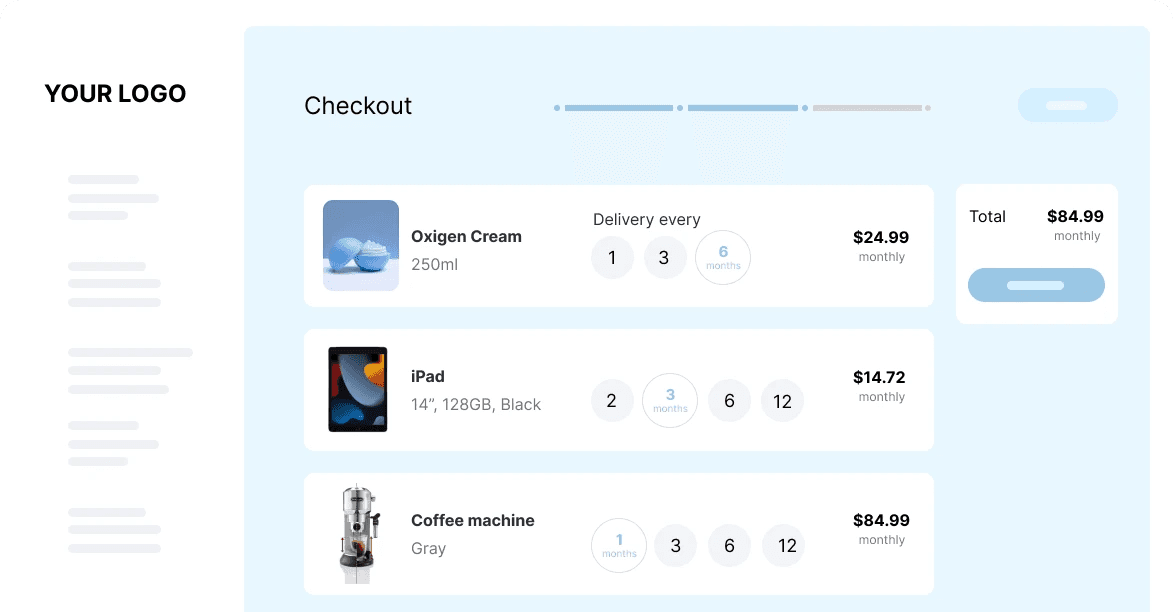
Leasing IT equipment lets companies avoid the steep upfront costs of purchasing hardware outright. Instead of draining capital all at once, monthly lease payments become predictable expenses. This approach keeps cash available for daily operations, unexpected challenges, or new business opportunities, turning a potential budget strain into a manageable routine cost.
Technology Upgrades and Flexibility
Technology evolves quickly, and yesterday’s state-of-the-art device can become tomorrow’s bottleneck. Leasing contracts often make it easier to refresh devices or upgrade to newer models at the end of the term, sometimes even earlier. This flexibility helps businesses stay competitive and prevents a pile-up of forgotten, outdated equipment in the storage room.
Tax and Accounting Advantages
Leasing can also offer potential tax benefits: monthly payments can often be treated as operating expenses, rather than as capital expenditures. This can simplify accounting and, depending on the region and lease structure, even reduce tax liability. Businesses that lease may get a clearer picture of their financial health without dealing with the complexities of depreciation schedules.
Understanding these motivations lays the groundwork for making sense of how the typical IT leasing process actually works, from agreement types to what happens when the contract term ends.
How IT Leasing Works
Types of IT Lease Agreements
When a business decides to lease IT equipment, the first choice is the type of lease agreement. The two most common options are operating leases and capital (or finance) leases. An operating lease is more like a rental, at the end of the period, you can return the equipment with no further obligation, making it ideal for technology that ages quickly. A capital lease, on the other hand, is closer to a purchase, usually lasting longer and giving you the option to own the equipment at the end, often for a nominal buyout price.
Some companies also offer customized lease structures, such as fair market value leases, which let you buy the gear at market price when the lease ends, or step leases, where payments ramp up or down over time.
Steps in the IT Leasing Process
The leasing journey typically starts with a needs assessment, figuring out exactly what devices, servers, or infrastructure will move your business forward. Once the equipment list is set, the leasing company proposes a tailored agreement with detailed payment terms, lease length, and maintenance policies. After signing, the lessor delivers the equipment, handles setup if included, and monitors the lease’s progress.
Throughout the lease, you make regular payments, monthly or quarterly, while often enjoying the support and maintenance that come bundled with many agreements. Expect check-ins from the leasing company to handle upgrades, troubleshooting, or warranty claims.
End-of-Term Options
As your lease nears completion, you face a few choices. You can return the IT equipment to the leasing company, refresh it with new technology under a new agreement, extend your current lease, or, if available, purchase the equipment outright, often for a small percentage of the original cost. Some businesses plan their technology refresh cycles around these options, ensuring they always work with up-to-date hardware while managing budgets effectively.
Now that you know what to expect during the leasing process, it’s equally important to understand how to vet a potential leasing company before signing on the dotted line. The next section digs into what separates a good provider from a great one.
Factors to Consider When Selecting an IT Leasing Company
Lease Terms and Hidden Fees
Start by examining the fine print. Look for specifics on monthly payments, minimum contract periods, upgrade options, and what happens if your needs change. Some companies advertise low rates but add administrative fees, early termination penalties, or maintenance surcharges. Make sure every cost is spelt out before you sign.
Service, Support, and Maintenance
Not all leasing companies offer the same level of technical support. Find out how quickly they respond to requests, if they include on-site repairs, and whether loaner devices are available if something fails. Fast and reliable support can prevent hours of downtime and headaches for your team.
Vendor Reputation and Flexibility
Word spreads quickly in business communities when an IT leasing provider falls short. Research independent reviews. Seek out testimonials where clients discuss how the company handled unexpected needs or changes, like scaling up equipment or modifying contract terms. A flexible vendor can make a big difference as your situation evolves.
Scalability for Growing Businesses
Your company's needs today may look very different a year from now. Consider whether the leasing company can quickly source more equipment, support office expansions, or handle special tech requirements. A provider that keeps up with your growth prevents disruptions as your operations evolve.
By weighing these factors, you can avoid costly surprises and build a relationship with a leasing provider that supports your business goals. Next, let’s compare some of the most popular IT leasing companies to help you narrow your shortlist.
Popular IT Leasing Companies Compared
Which Company Suits Different Business Needs?
Startups looking for hassle-free approval often pick Pawnee Leasing, thanks to lenient credit requirements. Fast-growing tech businesses choose LEAF for its flexible upgrade options that keep hardware current. For companies in healthcare, finance, or areas with strict data regulations, GreatAmerica’s in-depth reporting and compliance services offer peace of mind. Meanwhile, midsize businesses seeking straightforward terms without hidden costs appreciate TRI Leasing’s upfront approach and transparent rate structure.
No single provider works for everyone; your final choice should reflect your technical requirements and financial priorities. Next, let’s explore some practical strategies to make your IT leasing experience as smooth and cost-effective as possible.
Tips for a Successful IT Leasing Experience
Negotiating Terms
Treat your first draft of a lease agreement as exactly that, a draft. Items like end-of-term options, maintenance responsibilities, and upgrade flexibility can all be adjusted before signing. Don’t be shy about questioning automatic renewal clauses, fees for early returns, or parts that seem tilted toward the provider. Pin down the total cost of ownership, not just the monthly payment, and make sure your IT needs are front and center in the contract.
What Documents to Prepare
Gather recent financial statements, a list of the equipment you want to lease, and details about your business’s legal structure. Leasing companies want to see that you’re reliable, so making this information clear and organized speeds up approvals. If you’re part of a larger organization, internal approval memos or purchase authorizations can save headaches later.
Evaluating Upgrade Paths
Since technology rarely stands still, check upgrade policies before you commit. Ask if mid-lease equipment swaps are possible and for any associated costs. Some providers offer structured refresh cycles, others don’t. Map out your likely hardware timeline for the next few years and see how well each lessor’s approach fits your plan.
Having these strategies in place means you’re ready to enter a new lease with eyes wide open. If you’re still weighing which companies tick all your boxes, keep reading for a closer look at industry leaders and what sets them apart.
Frequently Asked Questions About IT Leasing Companies
Can I lease both hardware and software?
Yes, many IT leasing companies offer packages that cover everything from laptops and servers to licensed software suites. It’s worth checking the details; some leases even include installation or cloud-based solutions.
What happens if my leased equipment breaks down?
Most reputable companies include maintenance or swap-out services, so your business isn’t left stranded. Always ask if on-site repairs, loaners, or next-day replacements are part of your lease terms.
Is leasing more expensive than buying?
Leasing sometimes costs a bit more over time compared to buying outright. But leasing helps avoid hefty upfront payments, gives you predictable monthly expenses, and keeps your equipment current.
What if I want to upgrade before the lease ends?
Some companies let you upgrade mid-term, often with a small adjustment to your monthly payments. Others require you to finish the existing contract first and read the fine print before signing.
Do I own the equipment at the end of the lease?
Not always. Some leases allow you to buy the equipment at a reduced price when the term ends. Others require you to return everything. Make sure you know which option fits your business plan.


💚 Don’t get left behind
Ready To Join The Circular Movement?
United for a smarter shopping experience and a better planet