
How Automated Underwriting Approval Works In Lending
Sofia Rangoni

Dec 2, 2025
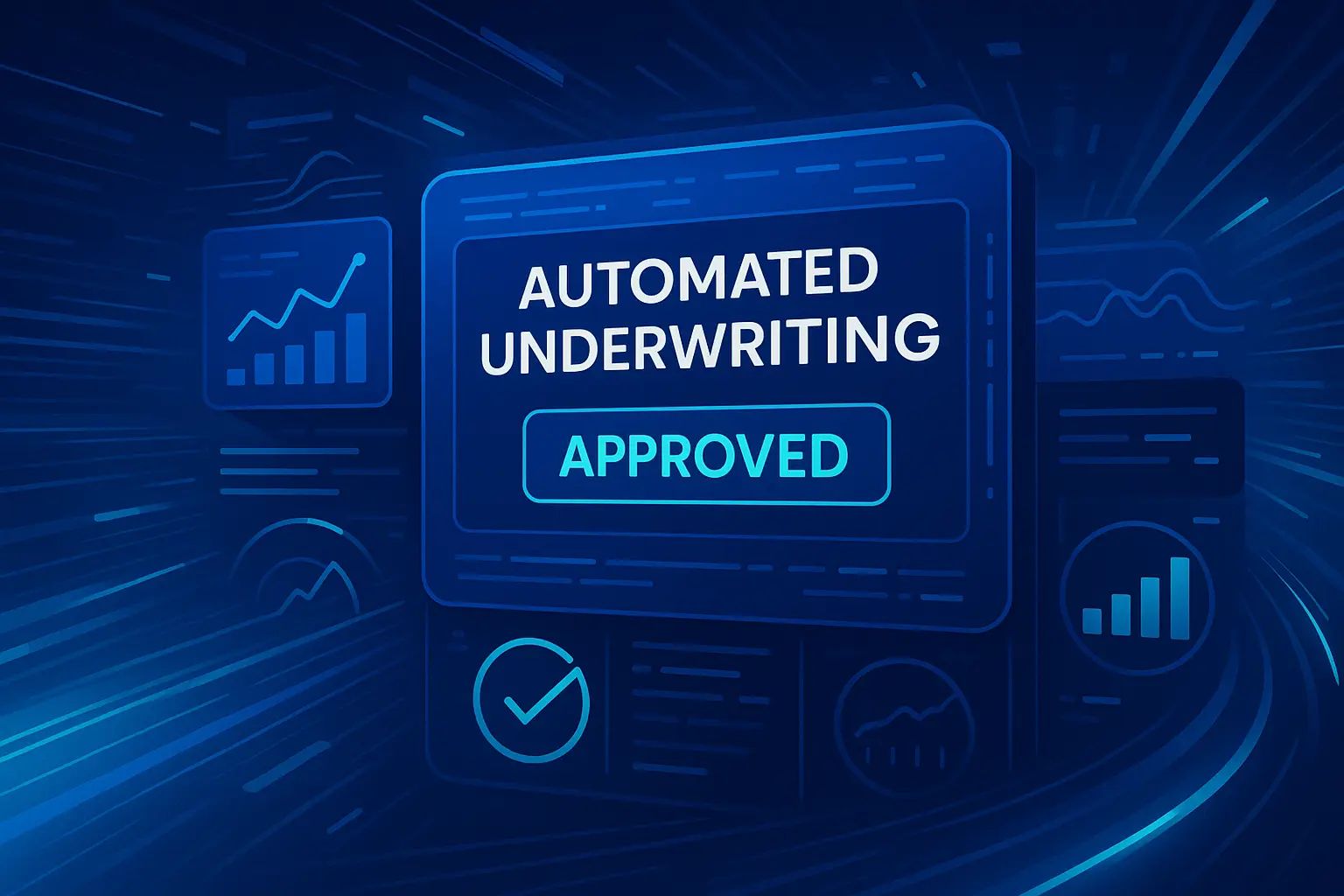
Automated underwriting is a digital shortcut for lenders to decide whether to approve or reject a loan. Instead of waiting for a human to review every detail, lenders use software to scan your information, including your credit score, income, and debts.
The system then weighs these numbers against preset rules. If your profile matches what the lender is looking for, the system makes a decision quickly. The process eliminates much of the guesswork and streamlines the process for everyone involved.
The Key Players: Systems and Lenders
The brains behind automated underwriting approval are specialized computer programs created by both government-backed agencies and private companies. Fannie Mae and Freddie Mac, for example, have their own systems that most mortgage lenders use.
On the other hand, banks and tech companies sometimes build unique tools that follow the same logic: comparing your details to their own risk policies. Lenders use these systems to efficiently review thousands of applications, making consistent decisions based on transparent algorithms.
With the basics of automated underwriting approval unpacked, let’s see how the process actually unfolds step by step for borrowers in the real world.
How the Automated Underwriting Process Works
Data Collection and Submission
The process begins with you, the borrower, providing information for your loan application. This includes details such as personal identification, income, employment status, assets, debts, and the property you want to buy or refinance.
Much of this information is now automatically pulled: pay stubs, tax returns, bank balances, and even digital employment verification can be uploaded or linked directly from online sources. Lenders plug all this data into their automated system, which begins its assessment almost instantly.
Automated Risk Assessment Steps
Once your application data is in the system, the automated engine crunches the numbers. It compares your credit score, income, debt-to-income ratio, and other financial data against the lender’s approval criteria and investor guidelines. Instead of waiting days or weeks for a human to review each document, the software runs algorithms to identify any red flags, assess risk levels, and verify if your application meets approval thresholds.
Approval, Denial, or Manual Review
The final step is the decision. Some applications receive “approved” or “ineligible/denied” results instantly. Others trigger a request for more information or a manual underwriting review, usually if something in the application doesn’t fit standard patterns or the system can’t verify certain details. If your case lands here, a human underwriter steps in to look closer before the lender makes a final call.
With the inner workings of the automated process now clear, it’s helpful to know what specific factors can push your application toward an instant “yes.” Let’s dig into the details that determine if your profile is ready for immediate approval or needs more scrutiny.
What Triggers Automated Underwriting Approval
Credit, Income, and Employment Requirements
Automated underwriting systems spring into action as soon as a lender receives your loan application, instantly scanning your credit score, reported income, and employment status. These systems look for minimum thresholds set by lenders: a solid credit score, stable work history, and verifiable income.
Even a brief employment gap or a sudden drop in reported earnings could send your application down a different path, so each data point matters. Lenders want proof that you don’t just have income, but that it’s consistent and likely to continue.
Influence of Down Payment and Debt Ratios
The size of your down payment and the ratio of your debts to your income can significantly impact the outcome. Automated systems calculate your debt-to-income (DTI) ratio and compare it to their internal limits. A larger down payment and modest debts signal lower lending risk, speeding up approval. However, if your debts exceed your income, or the down payment is on the thin side, the system might pause or send your file for additional review.
Role of Documentation and Digital Verification
Digital verification tools have replaced most paper-based checks. The system pulls data from online databases to verify tax returns, pay stubs, and bank balances. If everything matches up, the software flags your application as eligible for fast-track approval. Inconsistencies or missing records, on the other hand, can halt the process until everything adds up. The better your documentation aligns with the figures on your application, the smoother the outcome.
Understanding what sets automated underwriting wheels in motion sets you up to recognize major players in this process, including the familiar systems and tech you’ll encounter on your lending journey.
Common Automated Underwriting Systems You Might Encounter
Fannie Mae Desktop Underwriter (DU)
This is the most widely used system for loans backed by Fannie Mae. Desktop Underwriter (often called just “DU”) helps lenders quickly evaluate whether a loan applicant meets Fannie Mae’s requirements. DU runs the numbers on your credit, income, and assets, providing quick recommendations in minutes. Its findings help determine if your loan is eligible or needs further manual review.
Freddie Mac Loan Product Advisor (LPA)
Freddie Mac offers its own automated system, known as Loan Product Advisor (LPA). While it works similarly to DU, LPA is fine-tuned to Freddie Mac’s specific loan guidelines. Most mortgage lenders can submit your information to both DU and LPA, so a homebuyer may hear about either one depending on which option provides the best results for their situation.
Private Lender and AI-Based Platforms
Not all automated underwriting happens through Fannie Mae or Freddie Mac. Many private lenders, especially fintech companies, are developing their own automated and AI-driven underwriting systems. These platforms can analyze alternative data, such as rental payment history or utility bills, to expand lending to borrowers with unconventional financial backgrounds. As these technologies advance, you may see more lenders relying on customized algorithms to make loan decisions within moments.
Now that you know which systems might review your application, it’s worth considering how automated approvals can be both a benefit and a limitation, depending on your unique financial situation.
Benefits and Limits of Automated Underwriting Approval
Speed and Consistency for Borrowers
Automated underwriting can deliver a loan decision within minutes, not days. Algorithms instantly review credit history, income, assets, and debt, providing borrowers a fast answer to move forward. Since decisions are rule-based, applicants receive the same treatment, regardless of the time of day or who is reviewing their file, which can minimize bias and human error.
Potential for Errors or Unusual Circumstances
An algorithm only knows what it’s told. If your information is missing details or entered incorrectly, the system may reject a loan that would otherwise be approved. Automated systems also struggle with scenarios that don’t fit standard rules (think self-employment income, recent big life changes, or unconventional assets). These situations may confuse the software, resulting in requests for more documents or referrals to a manual review.
When a Human Underwriter Steps In
Not every file fits neatly into a checklist. When the automated system flags something unusual, like gaps in employment, untraceable savings, or conflicting information, a human underwriter takes over. Such expert review ensures that the bigger picture is considered, allowing for flexibility, explanation, or documentation that a computer simply can’t interpret on its own.
Automated underwriting is powerful, but it’s not perfect. Next, discover how smart preparation and digital tools can enhance the odds of smooth approval and help identify issues before they trigger a manual review.
Improving Your Chances for Automated Underwriting Approval
Tidying Your Credit Profile
Lenders' automated systems scan your credit history instantly, so having a clean profile is essential. Pay off outstanding debts where possible, dispute errors with the credit bureaus, and avoid taking out new loans or credit cards in the months before your application. Even small, overlooked details, like an old address or outdated employment info, can prompt additional questions from the system or a denial. A focused tune-up of your credit report leads to smoother processing.
Ensuring Accurate Application Data
Automated underwriting systems rely on precise information. Mistyped Social Security numbers, mismatches between reported income and tax returns, or inconsistencies in your address can all lead to unnecessary delays or even instant rejections. Double-check every statement before submission. Save supporting documents in a digital folder so you can verify what you’ve reported, making it easier if you’re asked for clarification.
Using Technology to Catch Issues Early
Many lenders now offer pre-qualification tools and credit simulators that mirror the initial checks automated underwriting will perform. Take advantage of these resources to spot gaps or potential red flags before they emerge. By previewing your application using lender technology, you can fix problems before they impact your approval.
With a bit of preparation and strategic use of digital tools, you’ll be better positioned for a speedy approval. But what actually unfolds after you receive that green light from the automated system? Let’s dive into what comes next in your lending journey.
What Happens After Automated Approval?
Conditional Approvals and Next Steps
Automated underwriting approval often comes with conditions. Think of it as a green light with a few road signs along the way. These “approved with conditions” results require you to provide extra documents, like recent pay stubs, updated bank statements, or proof of insurance. The lender will let you know exactly what’s needed to proceed.
Once you send in the requested information, the lender’s team verifies each piece. If everything matches and there aren’t any surprises, you’re much closer to closing on your loan. If something’s missing or doesn’t add up (maybe an unexplained deposit or an outdated document), you’ll need to address these before final approval.
Manual Review: When and Why It Happens
Even after an automated approval, a human may take a second look. This usually happens if something in your application falls outside the usual patterns, say your job history is a little bumpy, or your assets seem complex. Manual review is the lender’s way of making sure everything checks out when an algorithm can’t answer every question.
At this point, it’s helpful to respond promptly if the lender asks for more details. A manual review doesn't mean trouble, it just means a real person needs a closer look before you get the all-clear.






💚 Don’t get left behind
Ready To Join The Circular Movement?
United for a smarter shopping experience and a better planet