
Fair Lending Compliance Software: Choosing Effective Tools for Your Institution
Sofia Rangoni

Feb 9, 2026
What Fair Lending Compliance Software Does
Core Features to Look For
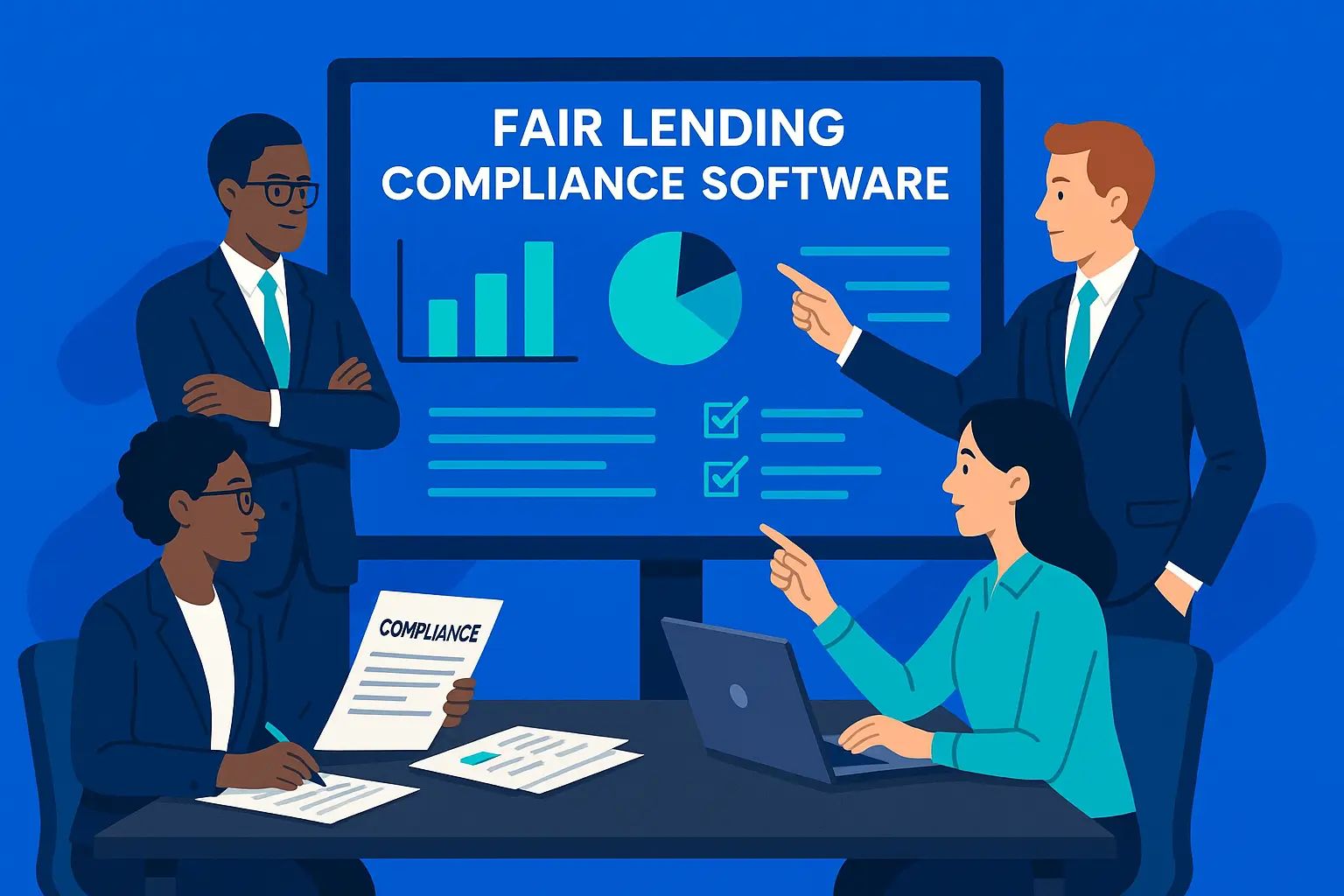
Fair lending compliance software acts as a digital watchdog for your financial institution. At its core, it pulls loan application data from different systems and organizes it for easy analysis. The most effective tools highlight patterns and trends that could reveal bias or unintentional discrimination. Key features often include intuitive dashboards for monitoring metrics like denial rates and pricing differences, automated risk assessments, and alerts if transactions deviate from your institution’s compliance policies.
Many platforms also include modules specifically designed to handle reporting requirements. With these, regulatory reports such as HMDA or CRA submissions can be generated in a few clicks, reducing the chance of human error. They also allow users to drill down into data, making it easier to investigate customer complaints or examiner inquiries with detailed, transparent records.
How Automation Improves Accuracy
Manual compliance reviews are slow and prone to oversight. Automation transforms this process by flagging potential fair lending risks in real time. For example, the software can automatically sort loan data by demographics and geographic location, instantly spotlighting any emerging disparities in approval rates or terms.
Automated comparison engines crunch numbers far faster than any spreadsheet, picking up on subtle issues that could otherwise go unnoticed for months. These tools don’t just speed up audits, they help catch risks early, ensuring problematic transactions are addressed before they become regulatory headaches.
Now that you have an understanding of what these tools do, it's valuable to know which regulations most solutions are designed to address. This ensures your chosen software aligns with your institution’s compliance responsibilities and risk areas.
Key Regulations Covered by Fair Lending Software
Choosing a fair lending solution isn’t only about features, it’s about ensuring your institution covers its regulatory bases. Modern fair lending compliance platforms track, report, and detect issues across three critical lending laws. Here’s how dedicated tools help financial institutions meet key requirements:
Equal Credit Opportunity Act (ECOA)
ECOA aims for equal access to credit for consumers, barring discrimination based on race, color, religion, national origin, sex, marital status, and other factors. Fair lending software systematically evaluates loan applications and decisions to uncover any disparate impact or treatment. It flags patterns where protected groups may face unfair outcomes, supporting proactive remediation before regulators step in.
Home Mortgage Disclosure Act (HMDA)
HMDA mandates detailed public reporting on mortgage lending practices. Compliance solutions automate the collection, validation, and submission of application and origination data. By continuously monitoring for omissions and inconsistencies, software alerts compliance staff to potential reporting errors and ensures institutions can withstand scrutiny if examined by regulators or the public.
Community Reinvestment Act (CRA)
The CRA encourages lenders to address the needs of low- and moderate-income borrowers and neighborhoods. Software tracks lending activity and investments in these communities, helping institutions document efforts and identify gaps. These insights fuel more effective strategies for community engagement while keeping documentation airtight for CRA exams.
Understanding which regulations a platform addresses is just the starting point, how well a provider supports your compliance team’s day-to-day work can make all the difference. Next, let’s break down what to look for when comparing solutions.
Evaluating Providers: What Matters Most
Usability for Compliance Teams
Interfaces need to be intuitive for analysts and auditors who may not have technical backgrounds. Look for software with clear navigation, straightforward workflows, and meaningful alerts. A clutter-free dashboard and easily accessible training resources reduce onboarding headaches and keep teams focused on compliance, not troubleshooting.
Reporting and Analytics Capabilities
Fast access to actionable insights is critical. Strong platforms offer customizable reports, visualizations, and filters so you can dig into patterns in real time. The best tools also allow you to export data in multiple formats, supporting deeper dives or quick sharing with leadership and examiners. Visual dashboards that can spotlight outliers and trends make monitoring fair lending risk far more efficient.
Data Security and Integration
Your software must safeguard sensitive application and borrower data. Effective providers encrypt data both in transit and at rest, and maintain transparent, regularly updated audit logs. Integration is another cornerstone: seamless connections to core systems (like loan origination and CRM platforms) limit manual entry and data inconsistencies, making compliance tasks less error-prone.
Once you know how to weigh these elements, it becomes easier to distinguish which platforms can actually remedy the real challenges compliance teams face day to day. Next, let's examine the specific problems these solutions are built to address, and how they make a difference in operations.
Common Fair Lending Compliance Challenges Software Can Solve
Managing Large Volumes of Loan Data
As loan portfolios grow, so does the avalanche of data, applications, approvals, denials, and customer profiles. Spreadsheets and manual entry simply can’t keep up. Modern compliance software ingests millions of records, cleanses data, and flags inconsistencies automatically. This ensures the information you analyze is accurate, current, and complete, speeding up reporting cycles and freeing your team to focus on higher-level review rather than endless data wrangling.
Detecting and Addressing Disparate Impact
Even small differences in lending decisions across demographic groups can trigger regulatory scrutiny. Software equipped with robust analytics quickly identifies subtle patterns in loan approvals, pricing, and application outcomes that could indicate unintentional bias. Visual dashboards and statistical models help you see where gaps exist so you can make timely, data-backed corrections, before regulators come calling or issues escalate.
Streamlining Fair Lending Audits
When examiners arrive, they want context and clarity, not confusion. Compliance platforms centralize documentation, automatically generate audit trails, and present findings in clear, exportable formats. Instead of scrambling for paper trails, your institution can provide regulators with precisely what they need: detailed histories, decision rationale, and proof of policy enforcement, all in a matter of clicks.
As you tackle these challenges, there’s another crucial step to ensure your software investment pays off: preparing your institution and your data for a smooth rollout. Let’s look at what a successful implementation really requires.
How to Implement Fair Lending Compliance Software Successfully
Preparing Data for Smooth Onboarding
Before rolling out your compliance platform, take time to review and clean your data. Scrub legacy loan files, check application details for consistency, and correct errors or gaps, especially in key fields like applicant demographics, product codes, and decision outcomes. Consolidate sources if possible so everything feeds reliably into the software. Investing this effort up front spares major headaches later and allows analytic tools to surface real patterns, not just data mistakes.
Training Staff and Ensuring Adoption
Bring staff on board early so the software becomes a tool they trust, not just tolerate. Choose practical, interactive training that uses real workflows, instead of abstract tutorials. Encourage your team to test features hands-on and voice concerns about anything confusing. Build a few “champions” within each department who can field day-to-day questions and reinforce best practices. The more your staff see how the software lightens their workload and clarifies compliance, the faster adoption takes hold.
Maintaining Ongoing Compliance
Even the best software can’t run on autopilot. Establish regular checkpoints to review the system’s results and update protocols as necessary. Monitor regulatory changes that affect your policies, and refresh staff know-how to match. Use automated alerts and dashboards to flag exceptions or shifts in your lending patterns. By keeping eyes on the data and processes, you’ll not only meet compliance expectations, you'll spot improvement opportunities sooner.
With implementation underway, the next challenge is weighing specific software solutions to determine which platform actually fits your institution's needs best. Let’s zero in on what sets leading vendors apart.
Comparing the Top Fair Lending Compliance Software Solutions
Side-by-Side Feature Overview
The fair lending compliance software landscape is packed with options, ranging from established enterprise platforms to nimble, cloud-based tools. While every provider claims thorough compliance support, capabilities often vary in ways that impact daily operations and exam readiness.
Common ground among the top contenders usually includes real-time data ingestion, automated fair lending testing (across HMDA, ECOA, and CRA), and customizable reporting engines. Software like Wolters Kluwer’s Wiz Compliance, Ncontracts Fair Lending, and ComplianceTech’s Fair Lending Magic lead with granular loan-level analytics, dynamic dashboards, and easy exam export features. Meanwhile, TRUPOINT’s Analytics platform distinguishes itself with visually intuitive risk indicators and automated risk flags flagged directly in file reviews. Encompass Compliance Management and QuestSoft’s LendingPatterns cater more to institutions handling large data loads, offering advanced segmentation, peer analysis, and seamless workflow integrations to core banking systems.
Unique Offerings and Differentiators
What sets these tools apart isn’t just a checklist of features, but how they approach evolving regulatory expectations and practical time-saving for compliance teams. For example, Ncontracts places a strong emphasis on ongoing regulatory updates, ensuring that changes to federal guidance are reflected almost in real time within risk analysis algorithms. ComplianceTech stands out with detailed redlining analytics and mapping that provide geographic visualizations to identify patterns of risk in lending decisions. Wiz Compliance’s “explainability” engine helps break down the causes of detected disparities, producing examiner-ready narratives that are rarely matched by competitors.
Some solutions also support workflow tools for compliance reviews, allowing teams to assign, track, and document remediation efforts from within the software. QuestSoft and Encompass shine here, especially for banks wanting an audit trail and direct integration with their internal ticketing or document repositories. Ultimately, the “best” tool will depend on your institution’s volume, complexity, and appetite for automation or customization.
As you compare these offerings, keep in mind that the landscape keeps shifting with new technology and compliance concerns. The next step isn’t only picking a platform, but making the rollout as seamless as possible for your team and data.
Frequently Asked Questions about Fair Lending Compliance Software
What is fair lending compliance software?
Fair lending compliance software is a digital tool designed to help financial institutions identify, monitor, and prevent discriminatory lending practices. By automating data analysis, reporting, and regulatory checks, it helps ensure that your institution follows laws that prohibit lending bias.
Who needs fair lending compliance software?
Any bank, credit union, mortgage lender, or similar financial institution that extends credit should consider this software. It’s especially crucial for organizations looking to maintain transparent practices and avoid regulatory penalties related to fair lending laws.
How does fair lending software detect potential issues?
The software examines lending data for patterns and trends that could indicate unequal treatment based on race, gender, age, or other protected characteristics. It relies on statistical tests, like disparity analysis and peer comparisons, to flag irregularities before they become legal concerns.
Can the software handle regulatory changes?
Most reputable solutions update their systems to reflect the latest regulatory requirements, so users don’t have to manually track new obligations. Automatic updates help stay aligned with evolving federal guidance and local rules.
Is fair lending software difficult to implement?
While the thought of new technology can be daunting, modern compliance tools aim for straightforward integrations with existing systems and offer training resources to help compliance teams quickly get up to speed.
Can this software integrate with our other tools?
Most platforms support integration with loan origination systems, CRM software, and data warehouses. This lets you import and analyze key data without time-consuming manual work or duplication.
What should we look for in a vendor?
Strong candidates provide responsive support, transparent pricing, robust audit trails, and ongoing user training as regulations change. It also pays to look for user-friendly dashboards and customizable reporting to match your institution’s needs.




💚 Don’t get left behind
Ready To Join The Circular Movement?
United for a smarter shopping experience and a better planet