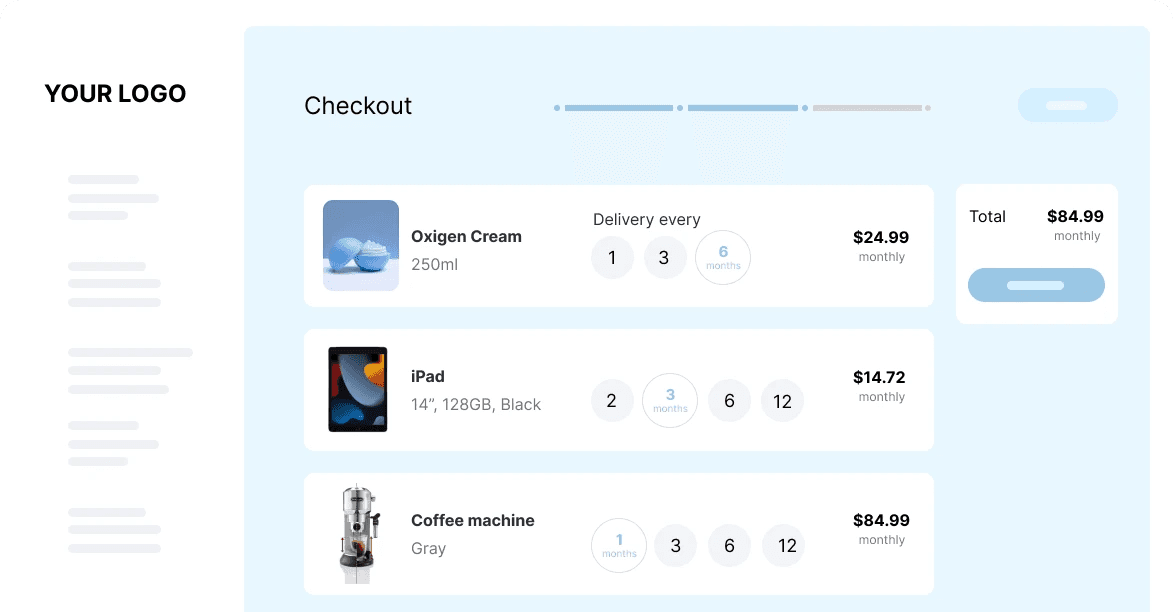

Equipment Leasing API: Unlocking Automated Financing for Businesses
Sofia Rangoni

Mar 9, 2026
What Is an Equipment Leasing API?
An equipment leasing API is a software bridge that lets you plug automated lease origination, approval, and management directly into applications your business already uses. This means you can offer equipment financing or process leases, everything from small office printers to industrial machinery, right inside your existing web platforms or sales tools, without forcing users to visit a separate portal or fill out piles of paperwork.
Core API Features
The heart of an equipment leasing API is its set of endpoints that handle tasks like customer credit checks, submitting lease applications, calculating payment options in real time, generating digital contracts, and even tracking equipment status. All of this happens behind the scenes, instantly, and can be tailored for each transaction. Some APIs also connect to banks for direct payment processing or offer tools for e-signature and compliance monitoring, further shrinking the manual steps that typically slow things down.
How It Differs from Traditional Leasing
Unlike old-school leasing, which often involves emails, PDF documents, phone calls, and face-to-face meetings, an API brings everything online and automates the back-and-forth. The user experience is often as simple as a few clicks, think “Add to Cart,” but for financing machinery. This approach slashes approval times, cuts down on errors, and lets companies scale their leasing operations without extra staff or paperwork headaches.
Now that you know what sets an equipment leasing API apart, it’s time to see how these APIs actually work under the hood and what’s involved in connecting them to your current business systems.
How Equipment Leasing APIs Work
Integrating with Existing Systems
Equipment leasing APIs are designed to plug into business software already in use, think CRM platforms, accounting tools, or online sales portals. Integration is typically handled through secure web protocols, using API keys or OAuth for authentication. Developers can connect the API endpoints directly to their digital workflows, allowing leasing processes to operate behind the scenes. This approach eliminates manual double entry or the need to switch between separate systems.
For example, an equipment vendor can embed the API in their e-commerce checkout, letting customers apply for lease approval as part of the purchase flow. Updates from the leasing provider, such as approval statuses or contract info, are pushed automatically into the vendor’s dashboard, keeping everyone in sync.
This step-by-step automation removes bottlenecks and repetitive admin work, giving both vendors and their customers faster answers and easier management.
Understanding these fundamentals makes it clear why so many lenders and equipment sellers are adopting APIs. Next, let’s break down the specific advantages unlocked by this technology, from approval speed to customer satisfaction.
Key Benefits for Lenders and Equipment Vendors
Faster Lease Approvals
Manual paperwork and back-and-forth emails slow down lease approvals. An equipment leasing API cuts out the busywork. By automatically pulling in business data and running instant credit checks, decisions happen in minutes, not days. Lenders reduce their turnaround times, and vendors close more deals, faster.
Seamless Customer Experience
No customer wants to chase down forms or wait for a response. Leasing APIs integrate directly with vendor websites and sales platforms, allowing customers to apply for financing at the exact moment they’re ready to buy. The process feels smooth, transparent, and modern, building trust and reducing drop-offs.
Real-Time Risk Assessment
Traditional risk reviews rely on outdated data. Equipment leasing APIs connect with live financial and credit sources to instantly evaluate risk profiles. Lenders gain a clear, current picture of each applicant, strengthening portfolio quality without the slow manual checks.
The technical features that make these benefits possible are crucial to consider when evaluating leasing APIs, so it’s worth unpacking the essential functions that separate a great API from a generic one.
Must-Have Functions in an Equipment Leasing API
Digital Application Submission
The API should let users breeze through applications in minutes, not hours. Businesses need a way to upload key details, company data, financials, and equipment info, without wrestling with clunky forms or paper trails. A well-built endpoint will capture required data, support document uploads, and confirm submissions instantly.
Automated Credit Checks
No one likes waiting for manual reviews. A robust leasing API will trigger instant credit assessments using real-time access to bureaus and alternative data sources. Results return in seconds, so applicants receive fast decisions and businesses keep moving. This function should handle everything from soft credit pulls to fraud checks in the background.
Contract Generation & E-signature
Tedious paperwork slows everything down. Leasing APIs now use dynamic contract generation: the system builds customized agreements with all essential terms, then routes them for e-signature. This not only eliminates paperwork but also provides a secure audit trail and faster time to close.
Payment Integration
Once a lease is signed, payments should be seamless. The API ought to connect directly with payment gateways and accounting tools, automating collections, sending receipts, and syncing to finance systems. No double entry, no missed deadlines, just smooth transactions.
Asset Tracking & Reporting
Knowing where every leased asset lives, and how it’s performing, matters. The best APIs offer built-in asset tracking that updates as inventory moves, integrates with IoT data, and generates real-time reports on utilization and maintenance. Powerful dashboards and notifications keep everyone in the loop.
While these functions form a strong backbone, not all APIs are built the same. The next considerations will help you separate the truly flexible and secure offerings from the rest, ensuring your solution scales seamlessly as your needs evolve.
Choosing the Right Equipment Leasing API
API Security Considerations
Financial data demands rigorous protection. Look for APIs that use strong encryption (both at rest and in transit), apply role-based access controls, and support detailed audit logging. Check for compliance with regulations such as SOC 2, ISO 27001, and ensure that sensitive customer information never travels in plain text.
Integration Flexibility
Every business has its own tech stack, so a rigid API can be a dealbreaker. Prioritize APIs that offer RESTful endpoints, modern SDKs, and webhooks for event-based updates. Well-structured sandbox environments make testing and onboarding smoother for your developers.
Support and Documentation
Comprehensive documentation makes or breaks the developer experience. Seek APIs with up-to-date guides, real-world code samples, and interactive API explorers. Prompt, human support, via chat or dedicated integration managers, ensures you don’t hit frustrating roadblocks during rollout or upgrades.
Scalability
Your needs today aren’t set in stone. The ideal API should process spikes in application volume, support multi-region deployments, and provide usage analytics. Ask about service-level agreements (SLAs) and uptime guarantees to avoid bottlenecks as your financing program grows.
Finding the right API involves balancing these factors based on your workflows, compliance needs, and growth plans. Next, let’s see how these APIs deliver value in real business scenarios.
Use Cases: Real-World API Integration Examples
Point-of-Sale Equipment Financing
Picture a construction equipment dealer’s website. A customer shopping for a new excavator can now initiate and complete a financing application directly at checkout. As soon as they select their machine, an Equipment Leasing API collects essential details, submits the application for automated approval, and generates a digital contract in minutes: no more paperwork or back-and-forth with third parties. Dealers keep the sale moving; buyers get their equipment fast.
Fleet and Inventory Management
Fleet operators can tap into Equipment Leasing APIs to manage not just the vehicles themselves, but the entire lease lifecycle. APIs let businesses track payment schedules, automate contract renewals, and monitor usage data, all inside their preferred fleet management software. This seamless integration eliminates manual reconciliations and puts financial oversight right where operations happen.
Embedded Finance for Equipment Dealers
Dealerships aren’t just selling or renting out equipment, they’re becoming full-service finance hubs. By embedding leasing APIs directly in their internal CRMs or sales tools, they can tailor offers based on customer profiles, instantly check eligibility, and present custom payment plans. Buyers never leave the dealer’s digital ecosystem, while vendors stand out by providing end-to-end convenience.
These real-world integrations show how APIs turn dry back-office processes into smooth, customer-driven experiences. Next, let’s walk through how to get your development team started on the right track.
Getting Started with Implementation
Tackling an equipment leasing API project kicks off with practical groundwork. Before diving into code, it’s essential to define your goals, gather requirements, and map out integration touchpoints. Here’s how you can move from concept to working integration efficiently.
Checklist for Developers
Sample API Request & Response
Understanding the structure of requests and responses accelerates development and debugging. See the simplified example below, a new lease application POST request:
The API typically returns a structured JSON object with lease status, processing step, and any required next actions for the applicant.
Testing and Sandbox Environments
Most equipment leasing APIs offer sandbox environments, these mimic live systems with demo data. This lets your team safely test integrations, simulate various scenarios, and refine error handling before making anything available to customers. Thorough test coverage ensures a smoother launch and fewer surprises post-deployment.
Now that implementation basics are covered, it’s time to look ahead at how equipment leasing APIs are evolving and what pioneering features are on the horizon.
Future Trends: Where Equipment Leasing APIs Are Headed
AI-Driven Underwriting in APIs
Equipment leasing APIs are embracing artificial intelligence as a core capability. Expect APIs to go beyond simple credit checks, advanced machine learning models will rapidly digest real-time financial data, industry benchmarks, cash flow analytics, and even equipment lifecycles. The result: scoring systems that adapt quickly to new business realities and offer more nuanced, customized lease terms.
Rather than relying solely on static credit profiles, AI will flag new opportunities and risks, offering lenders sharper decision-making in seconds. Approval rates can increase for healthy but overlooked businesses, while potential defaults get flagged earlier. As these models learn, the API becomes smarter, making the once-manual assessment process practically invisible to both the applicant and the vendor.
Open Banking and Embedded Finance Expansion
The rise of open banking is pushing leasing APIs into new territory. Partnerships with banks and fintechs will allow APIs to pull bank data directly, verifying business revenue, history, and even seasonality in near real time. This means less paperwork and fewer hoops for applicants, and lease offers that respond instantly to the latest financial signals.
Meanwhile, embedded finance will let equipment leasing happen right at the point of need. Think: a business ordering new machinery online gets pre-qualified instantly through the vendor’s website, all powered behind the scenes by the API. Leases will increasingly be invisible, woven seamlessly into digital purchase flows, speeding up procurement like never before.
The horizon for leasing APIs is shifting fast, setting the stage for new ways of connecting lenders, vendors, and businesses, with smoother onboarding and smarter decisions at every step. Up next, let’s walk through exactly how to kickstart an API deployment for your own operation.
Frequently Asked Questions
How fast can an Equipment Leasing API approve applications?
Most APIs process decisions in minutes. Automated credit checks and document verification speed things up considerably compared to traditional paper-based processes.
What documents do I need to provide during the leasing process?
Usually, you’ll need basic business details, proof of identity, and sometimes recent financials. The API automatically guides you on what is required and can pull certain data in real-time.
Is sensitive information safe during API transactions?
Leading APIs use strong encryption methods and tokenization to protect sensitive data at every step. Always ensure the API provider follows recognized security standards.
Can I integrate the API with my accounting or inventory software?
Yes. Equipment Leasing APIs are often designed with flexible endpoints so they plug into ERP, CRM, or accounting platforms with minimal coding. Some providers also offer prebuilt connectors for popular business tools.
Do APIs work for both small businesses and large enterprises?
Most Equipment Leasing APIs are built to handle a wide range of deal sizes, from a single printer lease to large-scale fleet financing, because they support customizable terms, automation, and reporting.
Are there extra costs to use these APIs?
Some charge subscription fees, while others use per-transaction pricing. Look for transparent pricing and consider the volume and features your business actually needs.
What if my customers want to sign leases digitally?
Digital contract signing is a common built-in feature. Customers get a secure link to view and e-sign their agreement in seconds, making the process paperless from start to finish.





💚 Don’t get left behind
Ready To Join The Circular Movement?
United for a smarter shopping experience and a better planet