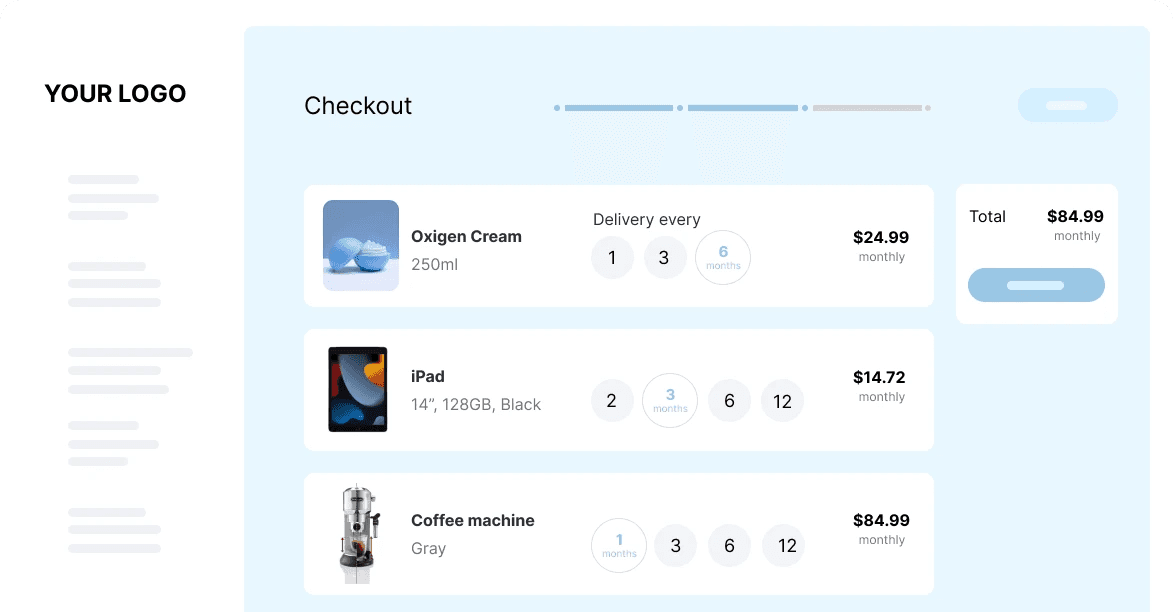

Equipment Finance Underwriting: How Lenders Evaluate Your Business
Sofia Rangoni

Feb 13, 2026
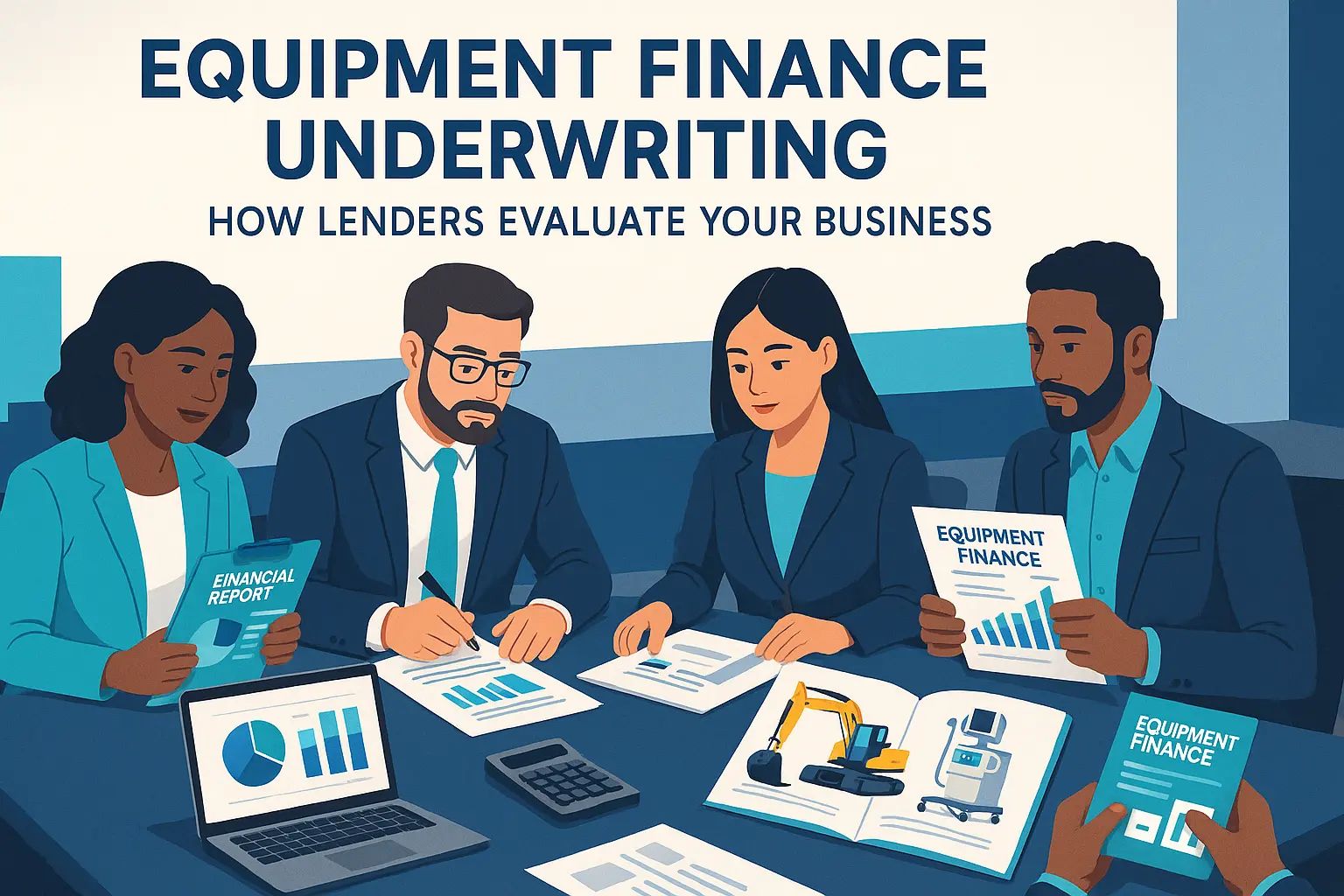
Understanding Equipment Finance Underwriting
What Underwriting Means in Equipment Finance
Underwriting in equipment finance is the process lenders use to determine if your business qualifies for a loan or lease to purchase equipment. Rather than relying on a simple credit score, underwriting dives into multiple details, such as financial statements, equipment type, and how your company plans to use the asset. The point is to paint a clear, accurate picture of your business’s financial stability and its likelihood of making regular payments.
Why Lenders Underwrite Equipment Financing
Lenders underwrite equipment financing to safeguard both their investment and your business’s future. By examining income streams, cash reserves, existing debt, and the equipment’s role in your operations, lenders can assess the risk involved. They want confidence that you’re borrowing for equipment that will actually help your business grow and generate revenue, rather than become a financial anchor. Effective underwriting reduces defaults and ensures the right financing reaches sound businesses.
Now that you know how underwriting shapes a lender’s decision, it’s important to see what steps are involved. Understanding these steps can prepare you for a smoother journey when you apply for equipment financing.
The Equipment Finance Underwriting Process Step by Step
Initial Application and Information Gathering
Getting started means sharing key details about your business and the equipment you need. Lenders want to know who you are, what your company does, and why this equipment matters to your operations. The first step is straightforward but foundational: provide information about your company’s legal structure, ownership, number of years in business, and how you plan to use the equipment.
Document Checklist: What You’ll Need
This is where the paperwork comes in. Most lenders ask for financial statements, tax returns, bank statements, business licenses, and equipment quotes or invoices. If you have business debt, you’ll be asked to provide details on your current loans and monthly payments. Having these documents ready speeds up the process and keeps things moving smoothly.
Credit Analysis and Financial Review
Now the real evaluation begins. The lender reviews your credit scores and digs into your cash flow, debt, and profitability. They’ll ask: Do you have enough revenue to cover both existing debts and a new equipment payment? Balance sheets and income statements become central here, as underwriters look for steady revenue, manageable debt, and a cushion of profit.
Evaluating the Equipment's Value and Use
Not all equipment is created equal in the eyes of a lender. They will review the market value of the item, its expected lifespan, and how essential it is to your business. Newer, industry-standard equipment gets more favorable attention, while highly specialized or rapidly depreciating items may require more justification.
Decision Making and Approval Timeline
At this stage, everything comes together. The lender combines your financial profile with the equipment details and makes a decision. Depending on the complexity of your application, responses can range from a few days to a couple of weeks. You may receive a request for additional information or clarification before final approval.
With the process mapped out, it's useful to understand which factors during underwriting can tip the scales in your favor or raise concerns for a lender. Let’s explore what they’re really looking for at each step.
Key Factors Lenders Consider
Lenders aren’t just checking boxes when they assess your equipment finance application. They dig into specific factors that reveal whether your business can handle new debt, and if the equipment you want is truly a wise investment. Here’s what they’re focusing on.
Business Credit Scores
Your company’s credit score is a quick-read summary of how reliably you handle debt. Strong scores signal a history of meeting obligations on time. Low or thin credit leaves lenders uneasy, as it raises the risk that payments could become a problem later. Lenders will look at your payment history, outstanding balances, and how much credit you’ve used compared to what’s available.
Debt Service Coverage Ratio
The debt service coverage ratio (DSCR) measures whether your business generates enough cash to cover its loan payments. Most lenders want to see a DSCR greater than 1, meaning your income comfortably exceeds your obligations. A tight ratio hints at a struggle to keep up, even if you’ve never missed a payment before.
Industry Risk
Some industries naturally face more ups and downs, whether it’s due to seasonality, regulations, or rapid changes in technology. Lenders weigh how volatile your industry is and how your business performs compared to its peers. Businesses in stable sectors often find approval easier, while those in riskier fields must show evidence of resilience.
Equipment Type and Lifespan
Lenders don’t finance just any equipment, they want assurance that what you’re buying will last and hold its value. Equipment that quickly becomes obsolete or wears out fast will get more scrutiny. If the item is specialized, difficult to resell, or heavily tied to your company’s fortunes, expect more questions during the underwriting process.
Understanding these key factors puts you one step closer to a successful application. Next, we’ll look at strategies you can use to make your business stand out in the eyes of a lender.
How to Strengthen Your Equipment Finance Application
Steps to Prepare Financially
Lenders weigh your business’s cash flow and reserve levels, so start by reviewing your monthly bank statements. If your account balances routinely dip into the red, lenders may hesitate. Increase working capital by tightening up on late payments from customers, delaying unnecessary purchases, and building up savings where possible.
If your debt load is high, focus on reducing outstanding obligations before applying. Paying down credit cards, lines of credit, or short-term loans can make your business look more stable.
Organizing Documentation Upfront
Gather the documents you’ll need long before submitting your application. This includes at least two years of tax returns, recent bank statements, your current equipment list, and details on the equipment you want to finance. Having everything organized speeds up the process and communicates reliability to the lender.
Include clear, legible copies and label each file to avoid confusion. If your profit and loss statements or balance sheets are prepared by an accountant, verify there are no discrepancies between them and your tax returns.
Addressing Potential Red Flags
Every business has bumps in the road, lenders know this. If you’ve had late payments, past bankruptcies, or revenue drops, don’t wait to be asked. Prepare a brief explanation for each issue and, more importantly, outline what’s changed since then. Supporting documents, like letters from customers showing renewed business or contracts for new orders, help build credibility.
Polished applications reflect preparation and foresight. A little groundwork now can put your business in a stronger position for fast approval and better finance terms. Next, see how different types of loans and leases can affect what the underwriter will scrutinize most closely.
Equipment Finance Underwriting for Different Lease and Loan Types
Lease vs. Loan: What Changes in Underwriting
Lenders weigh risk differently depending on whether you’re applying for a lease or a loan. With an equipment loan, your business borrows funds to buy and own the equipment outright. In underwriting, the lender looks closely at your ability to repay and how the financed equipment holds its value as collateral. Solid credit and financials, clear ownership of the asset, and secondary sources of repayment take center stage.
In a lease scenario, the lender typically retains ownership of the equipment. Underwriting for leases may be less strict since the lender can reclaim the equipment if you default. Here, your operational reliability and ability to make consistent payments play a larger role, sometimes making leases more accessible for companies with less-than-perfect credit. However, the type of lease, whether it’s an operating or a capital lease, also affects what information the lender scrutinizes. For example, with a capital lease, which is more like a financed purchase, lenders look at your long-term financial stability. With an operating lease, they focus more on your short-term cash flow.
How Underwriting May Vary by Equipment Category
The equipment you’re financing isn’t just another checkbox for lenders, different asset types come with unique underwriting standards. If you’re leasing or financing construction machinery or vehicles with a fast rate of depreciation, lenders might require a higher down payment or more robust collateral. Medical and manufacturing equipment, which often retains value longer, can attract better terms and swifter approvals.
Lenders also weigh how critical the equipment is to your revenue stream. Essential-use assets, like tractors for a farming operation or delivery trucks for a logistics business, can make a stronger case for approval, since they directly impact your ability to generate income. Specialized or highly customized equipment may trigger more questions about resale value and your business model’s stability. Expect underwriters to check how easily the equipment can be repurposed or sold if needed.
Different equipment, different paths to approval, and understanding these nuances can help you position your application more strategically. Next, let’s clear up some common uncertainties that businesses face about the underwriting process itself, so you know what to expect before you apply.
Frequently Asked Questions on Equipment Finance Underwriting
Is a high credit score always required to get equipment financing?
While good credit can open more options and better rates, some lenders will also consider businesses with less-than-stellar scores if other aspects, such as strong revenue or a significant down payment, balance the risk. Relationships and proof of consistent cash flow often work in your favor.
Do new businesses stand a chance in equipment underwriting?
Startups sometimes face more scrutiny, but approval isn't impossible. Lenders might want to see personal guarantees, business plans, or evidence of contracts and clientele. The more you can demonstrate stability or future earning potential, the better.
Will offering a down payment improve my odds?
Absolutely. A larger down payment can lower the lender's risk, improving your chances of approval and possibly letting you negotiate for better terms. It's also a sign of commitment and financial discipline.
How long does the underwriting process usually take?
Most lenders respond within days if documents are in order and the deal is straightforward. However, complex transactions or missing paperwork can delay things. It pays to get your documents ready before you apply.
What if the equipment is highly specialized or has little resale value?
Lenders may still finance niche or custom equipment, but they’ll look closer at your industry’s outlook and your business’s plan for using the equipment productively. Sometimes, they may offer shorter terms or require additional security.




💚 Don’t get left behind
Ready To Join The Circular Movement?
United for a smarter shopping experience and a better planet