
Embedded Lending API: How Modern Platforms Enable Instant Credit
Sofia Rangoni

Mar 30, 2026
What Is an Embedded Lending API?
An embedded lending API is a set of programming interfaces that allows platforms, such as e-commerce sites, financial apps, or digital marketplaces, to offer lending options directly within their digital experiences. Instead of redirecting users to a third-party lender, these APIs let businesses present loan offers, approval processes, and disbursement tools precisely when and where customers need them.
Core features and components
At its core, an embedded lending API delivers three main capabilities: eligibility checks, loan origination, and direct funding. The API assesses whether a user qualifies for a loan by analyzing real-time data provided during the user’s normal interaction, like completing a purchase or applying for services. Once approved, the API manages the application flow, documentation, and terms agreement. When the loan is finalized, the funds are sent to the user’s account or used to complete a transaction, all without ever leaving the platform.
Security measures are deeply integrated, with encrypted data transfer and identity verification built in. Most APIs also provide real-time dashboards and reporting, giving platforms up-to-the-minute insights into lending activity and repayment behavior.
How APIs differ from traditional lending integrations
Traditional lending integrations often require significant effort, a bank partnership, custom development, and clunky redirects that interrupt the user journey. By contrast, an embedded lending API simplifies the technical lift. One connection unlocks automated credit checks, personalized loan terms, and instant approval flows. Instead of weeks of back and forth, platforms can have embedded lending ready in days.
This flexibility enables even non-financial brands to become lenders in their own right, tailoring credit experiences to their customers’ needs without sacrificing speed or user trust.
Now that you know what embedded lending APIs are and how they stand apart from legacy approaches, let’s look at how they function in live digital platforms, and what the experience feels like for both businesses and end users.
How Embedded Lending APIs Work in Real-World Platforms
Typical customer journey
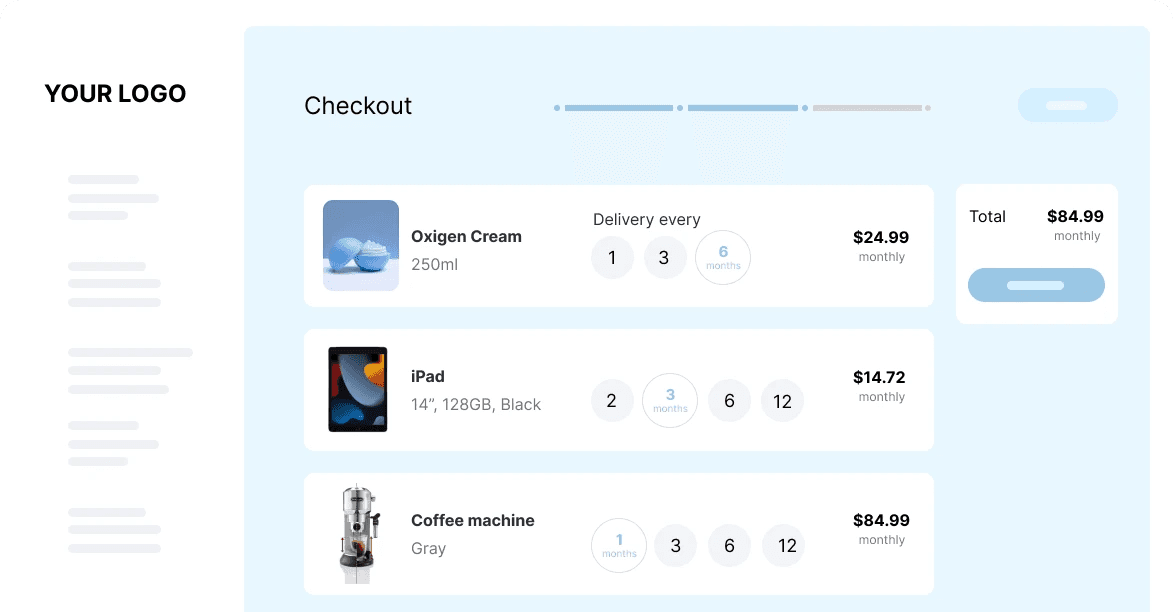
Imagine a shopper browsing an online store and adding a few items to the cart. At checkout, they spot the option to “Pay in 4 installments.” Instead of redirecting the shopper to a third-party lender’s site, the store’s platform runs a quick eligibility check right within its own UI. This seamless experience is empowered by the embedded lending API working in the background.
Once a customer chooses the credit option, the API springs into action, collecting necessary information, pre-filling forms where possible, and running real-time credit checks. Approval or denial happens in seconds. If approved, the customer accepts the terms and completes the purchase instantly. The store receives payment from the lender, and the shopper’s installment plan kicks off, no paperwork, no waiting, no friction.
Integration steps for tech teams
From a developer’s perspective, bringing embedded lending APIs to life starts with scoping the credit experience within the app or website. Integration typically involves authenticating with the lending provider, wiring up API endpoints to flow user data securely, and handling the display of offers, agreements, and notifications in the app’s own style.
Mapping business logic to credit-eligibility rules is crucial. For instance, the platform may decide when, where, and to which users credit is offered. Developers need to ensure robust data encryption, adhere to regulatory requirements, and run integration tests to verify that approvals, rejections, and payment flows all work as intended.
The result: businesses can launch instant credit experiences without building complex lending infrastructure from scratch.
Seeing these APIs in action across different industries reveals just how versatile embedded lending can be. Let’s look at the practical scenarios where these integrations drive growth and reshape finance on the front lines.
Practical Use Cases for Embedded Lending APIs
E-commerce and Buy Now, Pay Later
Online stores increasingly offer “Buy Now, Pay Later” options embedded at checkout, letting shoppers finance purchases instantly. Behind the scenes, lending APIs power credit approvals in seconds, enabling customers to spread payments over time without leaving the website. This frictionless experience can reduce cart abandonment and boost conversion rates. Merchants gain more orders, while buyers get flexibility, especially helpful during big-ticket sales or seasonal promotions.
SaaS platforms for business lending
For software platforms catering to small businesses, think accounting tools or B2B marketplaces, embedded lending unlocks new revenue streams. By integrating an API from a lending provider, these platforms can offer working capital loans or invoice financing directly within their interface. Small business owners no longer need to hunt for banks or complete lengthy applications elsewhere; instead, they access credit where they already manage their business.
Marketplace and gig economy solutions
Ride-hailing, delivery, and freelance platforms leverage embedded lending to help workers cover expenses like car repairs or short-term cashflow gaps. APIs allow platforms to present tailored offers based on the worker’s earnings or activity history, sometimes enabling payouts within minutes. Such access to rapid financing can make the difference between missing a shift and staying on the road.
These use cases reveal how lending APIs aren’t just a tech upgrade; they reshape the customer journey and the very business models around credit. Next, we’ll explore who really benefits, from merchants to lenders to end users, and how these APIs deliver tangible value across the board.
Benefits for Businesses, Lenders, and End-Users
Revenue and customer retention
Offering embedded lending can turn a one-time transaction into a long-term customer relationship. When credit options appear right at checkout or within an app, businesses see greater basket sizes and return visits. Merchants and platforms earn a slice of lending revenue, benefiting directly from higher conversion rates and repeat engagement. With instant credit available, fewer customers drop off at the point of purchase.
User experience improvements
Borrowers don’t want to wade through complex forms or jump between sites. Embedded lending APIs deliver approval in seconds, cutting paperwork and delays out of the process. Credit decisions made in real time let users keep shopping, booking, or signing up, without losing momentum. The convenience of staying within the same website or app makes transactions feel seamless and less stressful.
Advantages for banks and fintechs
For lenders, expanding reach used to mean building expensive retail locations or chasing leads with marketing. APIs flip the script by letting lenders connect with borrowers right where the demand lives, inside digital apps and marketplaces. This opens the door to new customer segments, sharper data-driven risk models, and more efficient loan origination. Automated decisioning and instant payouts also cut costs and boost lending volumes.
Having explored these benefits, it’s important to understand how to assess and select the right embedded lending provider for your business goals and technical needs.
Choosing the Right Embedded Lending API Provider
Key criteria: security, compliance, scalability
Before any code gets written or integrated, security should dominate your checklist. Your lending API partner should encrypt data at rest and in transit, comply with region-specific financial regulations (like GDPR or SOC 2), and offer robust user authentication. Check for regular security audits and transparency in incident reporting.
Beyond security, ensure the provider keeps up with compliance as financial rules change. Their documentation should clearly outline how they stay in step with regulations in all target markets. Scalability matters too: a platform that buckles under a sudden uptick in users or transactions won’t last. Look for customer stories or tech specs that demonstrate stable performance at scale.
White-labeled vs. custom solutions
Some providers offer a white-labeled experience: you get tried-and-true lending flows, branded with your look, and rolled out quickly. This saves time and slashes development costs, but limits deep customization. Others open up their APIs, letting your engineers design every step, button, and eligibility rule, ideal if your team wants to own every user-facing detail or needs to fit lending into a complex product. Map these approaches to your product goals, speed requirements, and internal capabilities.
Developer support and documentation
A seamless integration depends on more than just an API endpoint; it hinges on clear, up-to-date documentation and responsive support. Test-drive the docs: sample code, real error examples, and quick-start guides are good signs. Check if the provider has a sandbox environment, active developer forums, or a direct Slack channel for technical help. Teams move faster when documentation is written for humans, not just machines.
Selecting the right provider sets the stage for everything that follows, but successful implementation is where solid foundations meet smart execution. Let’s explore how to avoid pitfalls and ensure your lending integration pays off.
Implementation: Mistakes to Avoid and Best Practices
Common roadblocks in integration
Jumping into an embedded lending API integration without careful planning often leads to trouble. The most common issue is underestimating how deeply lending workflows connect with your user experience and backend processes. Teams sometimes treat APIs as mere technical add-ons, overlooking edge cases like customer verification failures or how credit decisions affect real-time checkout flows.
Another frequent snag is inconsistent data mapping. Lending APIs pull from multiple data points, identity, creditworthiness, repayments, and more. Mismatches or missed fields can cause failed applications, delays, or compliance headaches. Test for unexpected data inputs, especially if your product serves multiple geographies or customer types.
Neglecting security and user consent is a critical mistake. Lending data is sensitive and tightly regulated. Rushing integration often means user authentication and authorization flows end up clunky or incomplete, which can expose your business to audit failures or user trust issues.
Finally, don't overlook the operational side: who monitors loan approvals, rejection reasons, and repayments within your platform? Lack of internal transparency can lead to unhappy users and headaches for your support team.
Tips for smooth deployment
Start with a sandbox environment, simulating real-world scenarios. Create test users, including ones who fail verification, get partially approved, and trigger edge conditions. Run through the full journey: application, approval, repayment, and delinquency. Your API partner should offer robust support for this; if not, reconsider your choice.
Establish automated alerting for application issues or service downtime. Relying on user-reported bugs simply isn’t fast enough, especially if lending is core to your business model.
Make compliance central, not an afterthought. Double-check where sensitive data travels and is stored. Stay up-to-date with changing rules in your regions: just because the API provider is “compliant” doesn’t mean your implementation is.
Finally, design every user-facing step with clarity. Lending involves trust and risk, every approval, rejection, or request for additional info should be clear, actionable, and use the customer’s own language. Small improvements here can make or break adoption rates.
As you refine your integration and explore ways to optimize the lending experience, it’s worth looking at upcoming shifts in regulations, technology, and user expectations, so you can stay ahead of the curve.
Future Trends in Embedded Lending APIs
Open banking and data-driven underwriting
Open banking is quickly transforming how embedded lending APIs assess creditworthiness. By securely connecting to customers’ financial accounts, with their consent, APIs can analyze transaction history, real-time balances, and spending patterns instead of relying on outdated credit scores. This data-rich approach helps platforms give more accurate credit offers and makes instant decisions truly possible, whether someone is applying for a loan mid-checkout or seeking working capital from within a business dashboard.
As these APIs gain access to real-time financial data, risk modeling becomes increasingly dynamic. Lenders can adjust limits, rates, or product eligibility in response to behavioral cues, not just snapshots at origination. Borrowers with thin or no credit files, such as new immigrants or people with limited borrowing history, finally get considered on the basis of how they actually manage their money. This shift is already expanding access to credit for underbanked segments worldwide.
Expanding access and new verticals
Embedded lending is moving beyond e-commerce and financial services. Gig economy platforms now offer instant advances and flexible loans to freelancers for covering expenses or investing in their business. Healthcare apps weave in patient financing options without sending users offsite. Even B2B SaaS tools are helping small businesses unlock credit based on invoice flows or platform activity.
This expansion is driving intense competition among API providers to deliver industry-specific products: microloans for social commerce sellers, tuition financing through edtech, green loans for energy-efficient home projects, and more. The result? Credit becomes part of everyday digital experiences, tailored to the moment and context, not a separate destination.
As APIs evolve, businesses will face new questions around transparency, consent, and responsible lending in these fresh scenarios. Staying ahead requires not only technical integration, but also a keen sense for how much you can shape the experience, and the responsibility involved.






💚 Don’t get left behind
Ready To Join The Circular Movement?
United for a smarter shopping experience and a better planet