
Embedded Leasing API: How It Works, Use Cases, and Integration Best Practices
Sofia Rangoni

Jan 9, 2026
What Is an Embedded Leasing API?
An embedded leasing API is a set of tools that allow businesses to integrate leasing solutions directly into their own digital platforms or apps. Instead of sending users to an outside provider or juggling spreadsheets and emails, these APIs pull leasing workflows directly into the customer journey, whether that’s in an online store, a marketplace, or a mobile app.
Core Features and Capabilities
At its core, an embedded leasing API connects the dots between lessees, lessors, and any third parties involved, all while keeping the process seamless for end users. The most common capabilities include instant eligibility checks, automated lease calculations, document generation and e-signature, payment scheduling, and compliance checks, all managed from within your interface. Some also tap into real-time credit scoring, fraud detection, and even automated renewals, reducing the manual effort at every stage.
How Embedded Leasing Differs from Traditional Leasing APIs
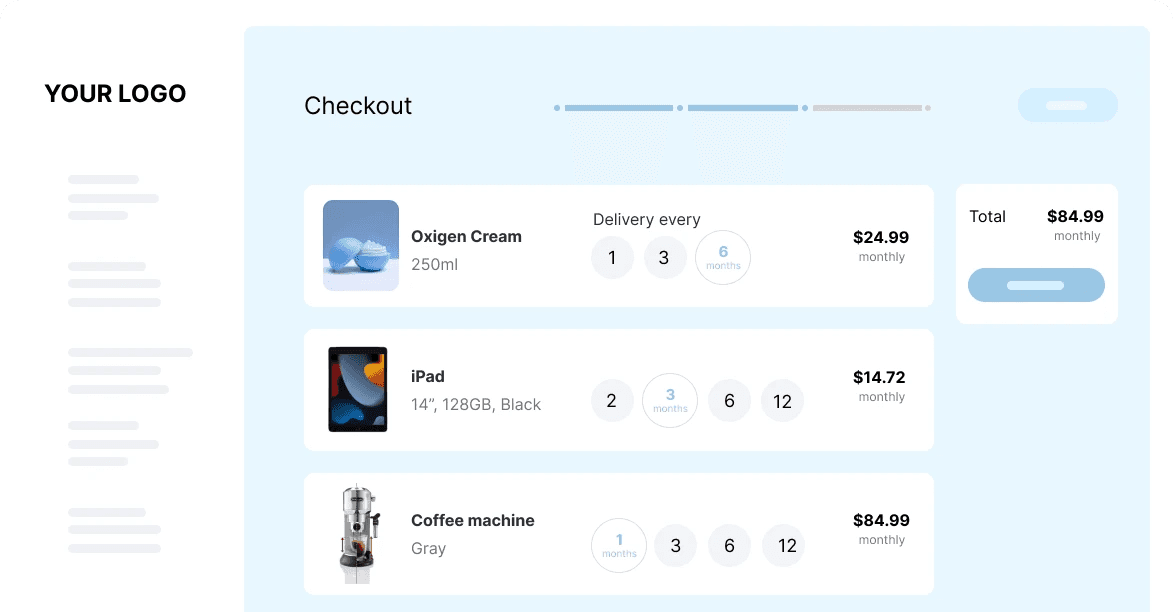
While traditional leasing APIs typically handle aspects of lease management in standalone portals or in back-office systems, an embedded leasing API is designed for deep integration and customization. Here, the API is tucked into the flow of your existing checkout, quoting, or account management processes. Customers never feel like they’re leaving your brand’s ecosystem, and their leasing experience feels like a native part of your platform, not a bolted-on afterthought. This reduces friction and speeds up decision-making, resulting in higher conversions and happier users.
Understanding how embedded leasing APIs work on a practical level reveals just how much they can simplify and automate once-tedious leasing processes, let’s dig deeper into those specifics next.
How Embedded Leasing APIs Streamline Leasing Processes
Real-Time Credit and Risk Assessment
Embedded leasing APIs tap into multiple data sources to instantly evaluate a customer’s creditworthiness, without waiting for manual reviews. For example, an e-commerce platform can check a buyer’s financial standing as soon as they choose to lease equipment, delivering results in seconds, not days. This quick risk assessment lets businesses provide immediate leasing decisions, keeping customers engaged and minimizing drop-off.
Automated Lease Origination and Approval
Once an applicant is approved, the rest of the leasing process often unfolds automatically. Embedded APIs auto-generate digital lease agreements using pre-filled customer and asset information, reducing manual errors and paperwork. Automated workflows not only eliminate redundant emails and phone calls but also enable one-click approvals for qualified applicants, all within the same user interface where the purchase began.
Digital KYC and Compliance
Know Your Customer (KYC) checks and legal compliance are built directly into embedded leasing APIs. These solutions verify identities through integrations with national databases, detect fraudulent activity, flag potential compliance issues, and archive documentation for future audits. Businesses avoid cumbersome document collection, while customers simply upload scanned IDs or complete electronic forms, shrinking a process that once took days down to a few quick steps.
With all these advantages, embedded leasing APIs empower a wide range of businesses to grow faster and offer better leasing experiences. Next, let’s explore which industries and platforms are using these tools to unlock new revenue streams and capture untapped market segments.
Who Uses Embedded Leasing APIs? Key Use Cases
E-commerce and Marketplace Platforms
Online retailers and multi-vendor marketplaces use embedded leasing APIs to offer instant lease financing at checkout. This lets buyers choose flexible payment options for high-value items like electronics, appliances, or industrial tools, without ever leaving the purchase flow. By integrating leasing directly, marketplaces boost transaction volumes and make major purchases accessible to a wider audience.
Equipment Vendors and Manufacturers
Manufacturers and B2B equipment sellers embed leasing options into their digital sales channels. This enables buyers to get financing approval within minutes, turning a traditionally slow process into a seamless, data-driven experience. Embedded leasing helps vendors close sales faster and connect customers with flexible funding right when they’re evaluating a purchase.
Fleet Management and Logistics Platforms
Platforms managing fleets of vehicles, machinery, or transportation assets use embedded leasing APIs to streamline asset acquisition and upgrades. Instead of lengthy offline negotiations, operators can arrange new leases or renewals from within the platform dashboard, improving fleet agility and supporting real-time business needs.
Fintechs and B2B SaaS Providers
Fintech applications and SaaS platforms, serving SMBs, professional services, or construction, leverage embedded leasing APIs to offer financing alongside their primary services. This extends their value proposition, makes capital equipment more accessible, and builds loyalty among business clients who need streamlined capital solutions integrated with daily operations.
Understanding who benefits from embedded leasing APIs demonstrates just how versatile and transformative this technology is. Next, let’s look at how to successfully embed leasing capabilities into your own digital product or platform, and what to consider during integration.
Integrating an Embedded Leasing API Into Your Product
Authentication, Security, and Compliance Considerations
Embedding a leasing API means exchanging sensitive financial data and personal information between your product and a leasing provider. Every API request needs secure authentication, typically via OAuth 2.0, API keys, or JWTs. Make sure transmission happens over HTTPS, and always validate the identity of both client and server. Encryption of data at rest and in transit isn’t optional; it’s foundational.
Leasing often requires compliance with regulations like KYC (Know Your Customer), AML (Anti-Money Laundering), and sometimes industry-specific standards. Work closely with your provider to understand which steps in the flow must gather user identity documents, and build clear in-app experiences that nudge users through these checks. Audit trails should log every request and response where personal data is involved.
Handling Payments, Contracts, and Renewals
Once a lease is approved, your product should handle scheduling payments, presenting digital contracts, and managing renewals or end-of-term scenarios, all through the API. Expect to generate contract documents for e-signature, display clear payment schedules, and communicate upcoming renewals or expirations automatically. Some leasing APIs even let you initiate or automate these events, so users never feel blindsided by a missed step.
Accurate UI feedback, such as payment status, contract activation dates, and renewal reminders, reduces user confusion and support tickets. Build in notifications, either directly or by leveraging webhook events sent from the API, so critical moments in the lease lifecycle aren’t missed.
Error Handling and Ongoing API Maintenance
No integration is set-and-forget. Leasing APIs will occasionally throw errors, timeouts, failed KYC, payment issues, or even downtime. Each error should trigger specific messages and fallback logic; for instance, flag failed verifications for manual review, or let users retry failed payments securely.
Finally, keep pace with API version updates, security advisories, and any changes in compliance requirements. Subscribe to API provider changelogs, and establish test environments so you never deploy breaking changes blindly. Monitoring, alerting, and scheduled health checks ensure embedded leasing continues to run smoothly in your product, long after the initial launch.
With the right integration strategy, you’re prepared to make the most of embedded leasing. But before diving deeper, let’s explore how to assess providers for features, support, and scalability so your partnership sets you up for long-term success.
How to Choose the Right Embedded Leasing API
Evaluating Feature Sets and Partner Networks
Not all embedded leasing APIs offer the same toolkit. Dig into the features that matter for your use case, think automated underwriting, flexible repayment structures, real-time credit decisions, and support for multiple asset types. Equally important is the API provider’s partner network. Providers with deep relationships, banks, credit bureaus, lenders, and asset suppliers, expand your product’s capabilities and streamline lease origination and management.
Integration Support and Developer Experience
Even the most powerful API falls short if integration is painful. Look for APIs with clear documentation, robust SDKs, sandbox environments, and responsive technical support. Check if the provider offers implementation assistance or live support channels to help your devs get unstuck quickly. Transparent versioning and changelogs also matter; you don’t want silent updates derailing your workflows.
Cost Structure and Scalability
Pricing models can vary… a flat fee, pay-per-use, or revenue sharing. Make sure you understand not just headline costs, but also any fees for additional users, high transaction volumes, or premium features. Scalability is key: as your leasing volume grows, your API should handle rising demand without performance dips or ballooning expenses.
With the right embedded leasing API in place, you're poised to adapt as the industry evolves. As technology accelerates, let’s take a look ahead at the innovations shaping tomorrow's leasing experiences.
Future Trends in Embedded Leasing APIs
AI-Driven Personalization
Intelligent algorithms are transforming how leasing offers are tailored. By analyzing transaction history, behavioral signals, and third-party data, embedded leasing APIs will be able to recommend lease terms, schedules, and add-ons crafted for each specific business or consumer. As APIs grow smarter, expect dynamic pricing and risk-based vetting to become default, all delivered seamlessly inside partner platforms.
Open Banking and Real-Time Data Sharing
The shift toward open banking is breaking silos between banks, lessors, and platforms. Open APIs make it possible to pull granular financial data, from cash flow to credit utilization, directly at the point of lease application. This instant data sync reduces paperwork, speeds approvals, and enables more flexible lease structures tied to real business activity.
Automated Compliance and Reporting
Regulatory requirements around leasing constantly evolve, and embedded APIs are stepping up to the challenge. By tapping into real-time regulatory feeds and automating checks, APIs will keep lease documentation, identity verification, and transaction monitoring up to date without manual oversight. Expect seamless integrations with e-signature, audit trail, and anti-fraud tools, pushing compliance into the background for both lessors and lessees.
With these developments shaping the future of embedded leasing, it’s crucial to understand how to assess your options and find the API that aligns with your product’s unique needs and growth plans. Let’s explore what really matters when choosing a solution.






💚 Don’t get left behind
Ready To Join The Circular Movement?
United for a smarter shopping experience and a better planet