
Digital Lease Origination: Streamlining Leasing from Application to Approval
Sofia Rangoni

Feb 6, 2026
What is Digital Lease Origination?
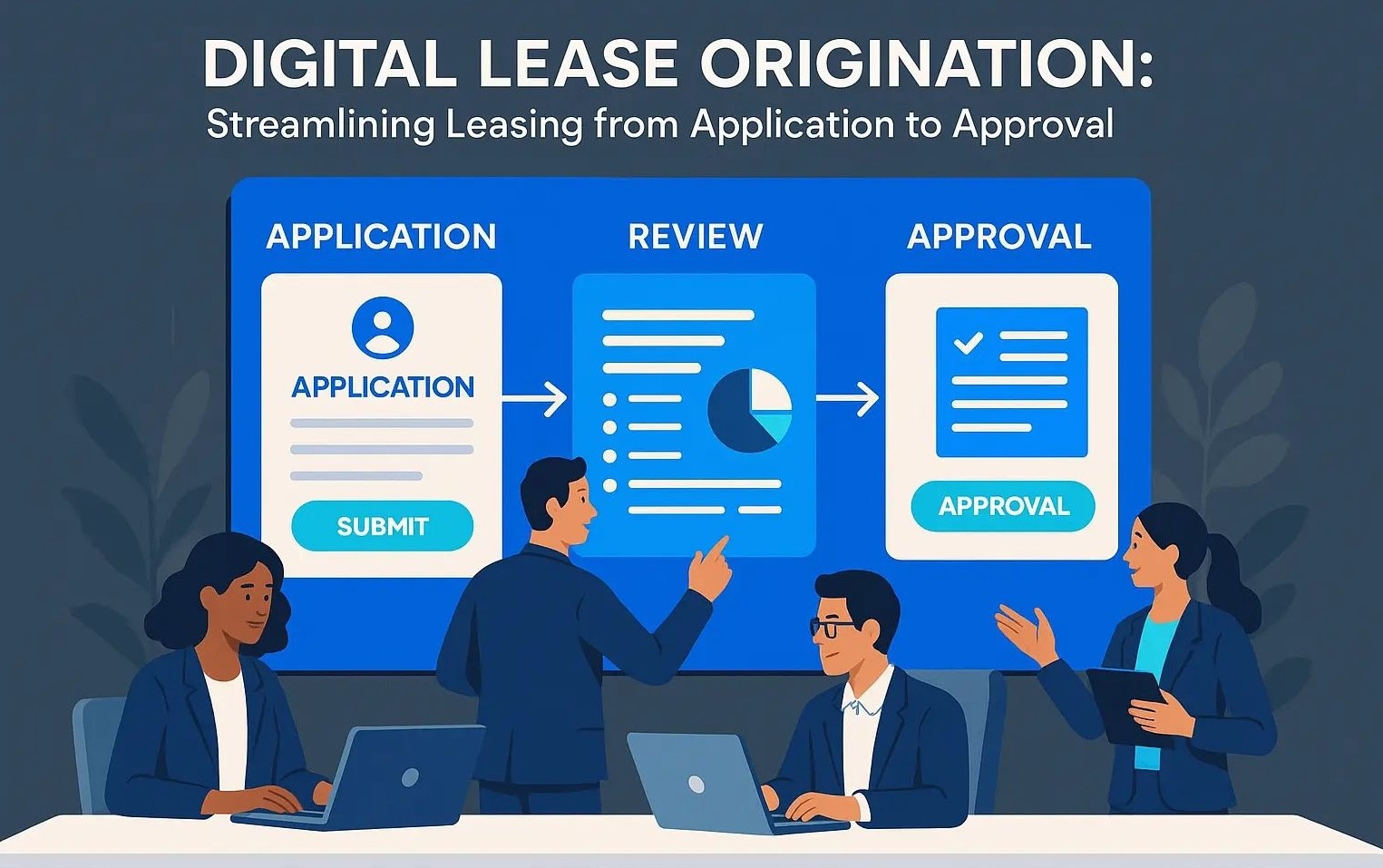
Digital lease origination refers to the use of technology to facilitate, manage, and automate every step of the leasing process, from initial application to final approval, all within a unified online environment. Instead of printing forms, scanning documents, or chasing signatures, the entire workflow is handled electronically, saving time and reducing risk for both lessors and lessees.
How Traditional Leasing Differs from Digital Processes
In a traditional leasing scenario, applicants fill out paperwork by hand, sometimes sending documents by mail or fax. Processing a single lease can involve multiple emails, follow-up phone calls, and missed deadlines. Manual data entry introduces the chance of errors, slowing down credit checks, verification, and approval. Physical documents can be misplaced, and communication gaps can stretch the process for days or even weeks.
With a digital approach, every interaction shifts online. Applicants enter information directly into secure portals. Data is validated instantly, and leasing teams receive notifications when action is needed. No paper exchanges mean fewer bottlenecks, and less room for mistakes.
Key Elements of Digital Lease Origination
True digital lease origination is more than moving forms online. It unites tools like automated identity verification, credit evaluation engines, document templating, and e-signature platforms. Built-in compliance checks help ensure every lease meets regulatory standards before reaching the approval stage. A central dashboard gives both applicants and leasing teams a clear view of progress, while audit trails keep every step accountable.
All these elements work together to create a seamless, transparent experience. Instead of waiting for someone to scan and upload a contract, everything happens at the click of a button, and every stage can be monitored in real time.
By understanding what sets digital lease origination apart, it becomes clear how technology reshapes the leasing lifecycle. Next, we’ll look at each core step and how they fit together in a modern digital workflow.
Core Steps in Digital Lease Origination
Applicant Data Collection and Verification
Everything starts when an applicant initiates a digital lease request. All required information, personal details, income proof, past leasing history, is entered directly into secure online forms. Automated systems quickly cross-verify IDs, employment, income, and even references. This automation cuts down on repetitive manual checks while catching inconsistencies or fraud risks early on.
Credit Evaluation and Automated Decisioning
Once data is verified, advanced algorithms analyze the applicant’s credit profile. Instead of days spent waiting on manual reviews, digital engines crunch numbers in minutes using real-time data feeds. Approval criteria can be fine-tuned to match risk policies, allowing fair and rapid decisions with full transparency. Applicants often get near-instant feedback on their status, eliminating guesswork.
Document Generation and E-Signatures
When an application is conditionally approved, the platform creates all required lease documents automatically, populating details directly from the verified application information. There’s no need to print, scan, or mail forms; e-signature functionality means users can review and sign documents securely from any device, speeding up turnaround time dramatically.
Approval, Compliance, and Audit Trails
Final approval checks in with internal compliance rules and industry regulations before confirming any new lease. Every interaction, document edit, and signature is logged in a tamper-evident audit trail, simplifying future audits and giving lessors peace of mind. The entire process is transparent, trackable, and ready for regulatory review.
Now that the essential workflow is clear, it’s worth exploring how this approach benefits both sides of a lease agreement, by accelerating timelines, cutting costs, and reducing headaches for everyone involved.
Benefits for Lessors and Lessees
Speed and Efficiency in Lease Processing
Applications no longer sit on a desk waiting for manual review. Digital lease origination automates routine steps, from collecting applicant information to generating documents. As a result, approvals can happen in hours, not days. Both lessors and lessees benefit when decisions are fast and lease agreements move forward without bottlenecks.
Reducing Costs and Minimizing Errors
Without the endless shuffle of paperwork, overhead shrinks. Fewer manual entries mean less time spent double-checking data, and automated checks catch inconsistencies before they become problems. This helps lessors avoid costly errors, while lessees encounter fewer setbacks due to missing or incorrect documents.
Enhanced User Experience
Digital workflows guide users step by step, cutting down confusion and needless back-and-forth. Applicants appreciate a seamless process they can complete from any device, while lessors gain tools to keep everyone informed at each stage. Straightforward interfaces foster trust and reduce friction, making leasing far less stressful for everyone involved.
Improved Risk Management and Security
Digital platforms create clear audit trails and store information securely, protecting sensitive data from unauthorized access. Automated compliance checks give lessors peace of mind that regulations are being met, while lessees know their information is handled with care. These safeguards reduce the risk of fraud and costly legal issues.
With these advantages, it's easy to see why more industry leaders are making the switch. But choosing the right digital solution requires careful consideration, from required features to integration and training. Let’s explore what to look for in a digital lease origination platform and how to implement it successfully.
Choosing and Implementing a Digital Lease Origination Solution
Must-Have Features in Lease Origination Software
Not every digital leasing platform is created equal. Look for software that guides applicants step-by-step, automates credit checks, supports real-time document uploads, and delivers automated decisioning. Robust compliance tools should alert your team to red flags and track every action for audit readiness. Make sure the platform is device agnostic, applicants should feel at home whether they’re using a desktop or smartphone.
Integration with Existing Systems
A standalone tool can create more headaches than it solves. The best lease origination solutions connect effortlessly to your CRM, accounting, and customer portals. Open APIs, pre-built connectors, and data mapping capabilities ensure that information flows smoothly, and reduce double entry. Ask potential vendors exactly how their platform syncs with your current workflows before making any commitments.
Scalability and Future-Proofing
Your leasing needs today may look different next year. Select a solution that can handle larger volumes, support additional property types, and regularly roll out new features to keep you ahead of regulatory changes and customer expectations. Cloud-based platforms usually win here, they scale with you and update in the background, so you’re never stuck on yesterday’s version.
User Training and Change Management
The best software is only as effective as the people using it. Prioritize vendors who offer hands-on training and practical resources tailored to your team's day-to-day realities. Go beyond a single kickoff session, successful adoption comes from ongoing support, not just a user manual. Plan for feedback loops: gathering input after rollout helps smooth the transition and uncovers opportunities to optimize your process further.
As digital leasing technology evolves rapidly, it’s essential to keep an eye on innovations that can reshape your competitive advantage, let’s take a look at some of the most promising trends shaping the future of lease origination.
Emerging Trends in Digital Lease Origination
AI and Automation in Lease Underwriting
Artificial intelligence now scans lease applications for red flags and predicts applicant reliability faster than any manual review. Algorithms draw on broad data sets, everything from payment histories to recent credit behavior, and can spot patterns that humans might miss. As a result, underwriting shifts from hours of back-and-forth paperwork and gut feel to near-instant decisions, with risk scoring that adjusts to emerging market trends in real time.
Mobile-First Applications
Leasing journeys are no longer tied to desktops or piles of physical forms. Today’s applicants expect to complete everything, from uploading verification documents to e-signing agreements, on their phone, often in a matter of minutes. Digital lease origination platforms now come with intuitive interfaces designed for smaller screens, ensuring the process feels seamless whether you’re on the go or at home. Mobile applications have also streamlined identity verification, using features like facial recognition and biometrics for additional security.
Data Analytics and Real-Time Decision Support
Raw data alone doesn’t drive smarter leasing, insightful analytics do. Modern platforms aggregate applicant data and market intelligence, equipping underwriters and leasing agents with dashboard visualizations and real-time alerts. This helps identify bottlenecks in approval queues, understand applicant demographics, and refine underwriting criteria based on historical outcomes. Data-driven feedback loops mean continuous process improvement, with risk models and workflows adapting quickly to shifts in demand or regulation.
With these trends shaping digital lease origination, understanding how to successfully onboard and maximize these innovations is crucial for organizations ready to modernize their leasing process. Let’s explore the essential first steps for a smooth transition.
Getting Started with Digital Lease Origination
Best Practices for a Smooth Transition
Adopting digital lease origination means building new habits and letting go of familiar, paper-based routines. Begin by mapping your existing leasing process in detail, identifying bottlenecks and redundant steps. Consider which parts can be automated or simplified, such as pre-filling forms or integrating document e-signatures. Start small, perhaps with one leasing program or a specific user group, so you can test, learn, and adjust without disrupting your operations.
Make sure everyone involved, leasing agents, compliance staff, and applicants, understand the new process. Clear how-to guides and hands-on training help lower resistance to change. Encourage feedback early, so you can fix usability issues before they grow into major problems.
Measuring Success and Performance
Tracking progress is more than counting how many applications move through your new system. Monitor time-to-decision, dropout rates, and error reduction at each step. Compare these metrics to your old process to highlight real-world gains. Regular check-ins with users gather insights that statistics might miss: subtleties like improved clarity or fewer customer support calls.
Remember, successful implementation isn’t a one-time event. Keep assessing whether your system is helping applicants complete forms faster, if compliance checks run more smoothly, or if lease approvals are happening on schedule. Refinement based on real data ensures your digital switch delivers long-term value.
As your process settles and your team gains confidence, you’ll be ready to explore advanced capabilities, like AI-driven decisioning or mobile-first application experiences, which can take your leasing operations to the next level.





💚 Don’t get left behind
Ready To Join The Circular Movement?
United for a smarter shopping experience and a better planet