How Clear Drop® Turned a Waste Problem into a Subscription Ready Product Success
How Clear Drop® Turned a Waste Problem into a Subscription‑Ready Product Success


Introduction: Reimagining Household Waste


Clear Drop® was founded with a bold mission: to make recycling real and accessible at the household level. Instead of treating recycling as a distant afterthought, Clear Drop puts tools directly into people’s homes, addressing some of the most persistent and stubborn waste streams that traditional systems struggle to handle.


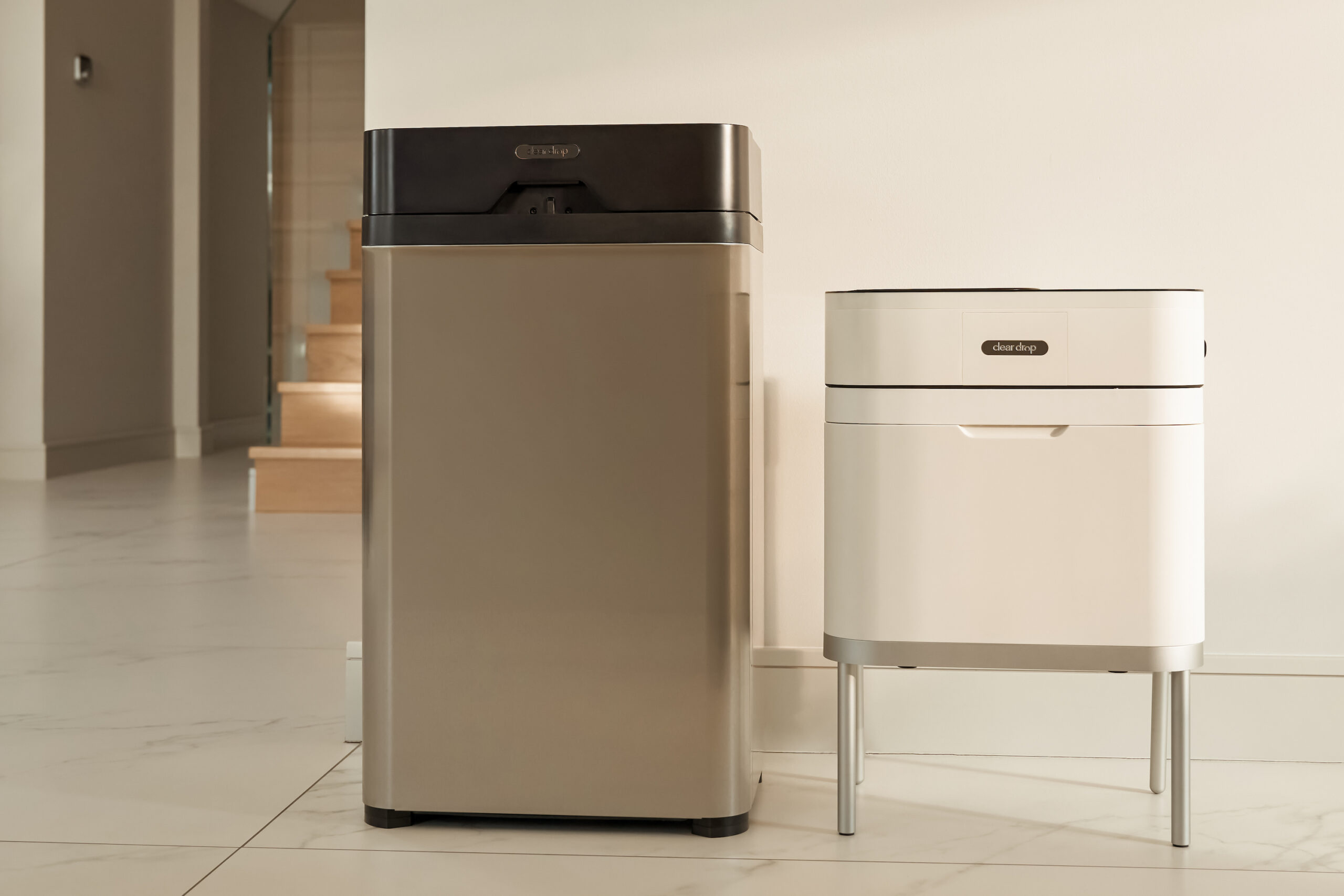
At the heart of this story is their Soft Plastic Compactor (SPC), a patent‑driven home appliance that transforms hard‑to‑recycle soft plastics (like bags, films, and wraps) into dense, recyclable blocks. By reframing “recycling” as “pre‑recycling,” Clear Drop created a new consumer category, and demand exploded.


Bridging the Gap Between Waste and Recycling


For Clear Drop®, the challenge wasn’t just building a better device to recycle soft plaststics, it was creating a business model that matched product innovation with sustained customer engagement and scalable revenue.


Hardware, especially high‑value appliances, traditionally relied on one‑time purchases. But with upfront costs and limited touchpoints after the sale, that model often left businesses exposed to boom‑and‑bust demand cycles.


Clear Drop needed a strategy that would create a predictable revenue stream while deepening its customer relationship.


Solution: Subscription + Product Innovation


Clear Drop flipped the script: they launched a subscription model with Sharpei that blended hardware access with ongoing service, recycling operations, and customer support. And run out of stock for their new SPC product.


The SPC subscription includes:

  • $200 down payment and enrollment,

  • $50/month recurring fee,

  • Prepaid return shipping for compacted plastic blocks,

  • Guaranteed recycling through verified U.S. partners,

  • A full two‑year warranty.


This structure aligns the business with trends in Hardware‑as‑a‑Service (HaaS), where ownership is replaced by usership and ongoing service commitments.


Subscription models like this help companies generate predictable revenue while delivering continued value to customers, a shift observed across HaaS leaders globally.


Clear Drop didn’t stop there. Their Organic Composter, another product built to simplify food waste reuse, also adopted a subscription playbook.


Results: From Sell‑Out to Sustainable Growth


But true success came:


1. Predictable Revenue Through Subscriptions
By shifting from a one‑off sale to a recurring model, Clear Drop built a foundation for monthly recurring revenue (MRR) that stabilizes cash flow and supports long‑term planning.


2. Deeper Customer Relationships
Subscription creates multiple touchpoints with customers, from onboarding to ongoing service and community engagement. This has improved customer lifetime value.


3. Strong Feedback Loop for Product Evolution
Every subscriber interaction is also a data point. Clear Drop now has more organic touchpoints with their customers they can use to get feedback and implement that feedback directly into future versions of their products.


4. Industry Attention and Validation
Winning awards and gaining visibility at CES helped reinforce Clear Drop’s positioning as a practical innovation, not just a concept product. It shifted the narrative from novelty to mainstream utility.


Key Learnings


1. A sell‑out doesn’t equal sustainability.
Demand proves interest, but recurring revenue proves business viability.


2. Subscription can be a strategic lever, not just a pricing model.
For hardware companies, subscriptions turn products into ongoing solutions, a core advantage in a world where access beats ownership.


3. Feedback is a competitive edge.
Actively listening to early adopters doesn’t just improve the product; it strengthens retention and enhances product‑market fit.


Conclusion


Clear Drop’s journey from launch to subscription success illustrates a broader shift in how hardware companies grow and scale.


By combining innovative product design with ongoing customer engagement and subscription revenue, Clear Drop didn’t just solve a recycling problem, they pioneered a new way to build sustainable, scalable hardware businesses in the emerging circular tech economy.

How Clear Drop® Turned a Waste Problem into a Subscription‑Ready Product Success


Introduction: Reimagining Household Waste


Clear Drop® was founded with a bold mission: to make recycling real and accessible at the household level. Instead of treating recycling as a distant afterthought, Clear Drop puts tools directly into people’s homes, addressing some of the most persistent and stubborn waste streams that traditional systems struggle to handle.


At the heart of this story is their Soft Plastic Compactor (SPC), a patent‑driven home appliance that transforms hard‑to‑recycle soft plastics (like bags, films, and wraps) into dense, recyclable blocks. By reframing “recycling” as “pre‑recycling,” Clear Drop created a new consumer category, and demand exploded.


Bridging the Gap Between Waste and Recycling


For Clear Drop®, the challenge wasn’t just building a better device to recycle soft plaststics, it was creating a business model that matched product innovation with sustained customer engagement and scalable revenue.


Hardware, especially high‑value appliances, traditionally relied on one‑time purchases. But with upfront costs and limited touchpoints after the sale, that model often left businesses exposed to boom‑and‑bust demand cycles.


Clear Drop needed a strategy that would create a predictable revenue stream while deepening its customer relationship.


Solution: Subscription + Product Innovation


Clear Drop flipped the script: they launched a subscription model with Sharpei that blended hardware access with ongoing service, recycling operations, and customer support. And run out of stock for their new SPC product.


The SPC subscription includes:

  • $200 down payment and enrollment,

  • $50/month recurring fee,

  • Prepaid return shipping for compacted plastic blocks,

  • Guaranteed recycling through verified U.S. partners,

  • A full two‑year warranty.


This structure aligns the business with trends in Hardware‑as‑a‑Service (HaaS), where ownership is replaced by usership and ongoing service commitments.


Subscription models like this help companies generate predictable revenue while delivering continued value to customers, a shift observed across HaaS leaders globally.


Clear Drop didn’t stop there. Their Organic Composter, another product built to simplify food waste reuse, also adopted a subscription playbook.


Results: From Sell‑Out to Sustainable Growth


But true success came:


1. Predictable Revenue Through Subscriptions
By shifting from a one‑off sale to a recurring model, Clear Drop built a foundation for monthly recurring revenue (MRR) that stabilizes cash flow and supports long‑term planning.


2. Deeper Customer Relationships
Subscription creates multiple touchpoints with customers, from onboarding to ongoing service and community engagement. This has improved customer lifetime value.


3. Strong Feedback Loop for Product Evolution
Every subscriber interaction is also a data point. Clear Drop now has more organic touchpoints with their customers they can use to get feedback and implement that feedback directly into future versions of their products.


4. Industry Attention and Validation
Winning awards and gaining visibility at CES helped reinforce Clear Drop’s positioning as a practical innovation, not just a concept product. It shifted the narrative from novelty to mainstream utility.


Key Learnings


1. A sell‑out doesn’t equal sustainability.
Demand proves interest, but recurring revenue proves business viability.


2. Subscription can be a strategic lever, not just a pricing model.
For hardware companies, subscriptions turn products into ongoing solutions, a core advantage in a world where access beats ownership.


3. Feedback is a competitive edge.
Actively listening to early adopters doesn’t just improve the product; it strengthens retention and enhances product‑market fit.


Conclusion


Clear Drop’s journey from launch to subscription success illustrates a broader shift in how hardware companies grow and scale.


By combining innovative product design with ongoing customer engagement and subscription revenue, Clear Drop didn’t just solve a recycling problem, they pioneered a new way to build sustainable, scalable hardware businesses in the emerging circular tech economy.
How Clear Drop® Turned a Waste Problem into a Subscription‑Ready Product Success


Introduction: Reimagining Household Waste


Clear Drop® was founded with a bold mission: to make recycling real and accessible at the household level. Instead of treating recycling as a distant afterthought, Clear Drop puts tools directly into people’s homes, addressing some of the most persistent and stubborn waste streams that traditional systems struggle to handle.


At the heart of this story is their Soft Plastic Compactor (SPC), a patent‑driven home appliance that transforms hard‑to‑recycle soft plastics (like bags, films, and wraps) into dense, recyclable blocks. By reframing “recycling” as “pre‑recycling,” Clear Drop created a new consumer category, and demand exploded.


Bridging the Gap Between Waste and Recycling


For Clear Drop®, the challenge wasn’t just building a better device to recycle soft plaststics, it was creating a business model that matched product innovation with sustained customer engagement and scalable revenue.


Hardware, especially high‑value appliances, traditionally relied on one‑time purchases. But with upfront costs and limited touchpoints after the sale, that model often left businesses exposed to boom‑and‑bust demand cycles.


Clear Drop needed a strategy that would create a predictable revenue stream while deepening its customer relationship.


Solution: Subscription + Product Innovation


Clear Drop flipped the script: they launched a subscription model with Sharpei that blended hardware access with ongoing service, recycling operations, and customer support. And run out of stock for their new SPC product.


The SPC subscription includes:

  • $200 down payment and enrollment,

  • $50/month recurring fee,

  • Prepaid return shipping for compacted plastic blocks,

  • Guaranteed recycling through verified U.S. partners,

  • A full two‑year warranty.


This structure aligns the business with trends in Hardware‑as‑a‑Service (HaaS), where ownership is replaced by usership and ongoing service commitments.


Subscription models like this help companies generate predictable revenue while delivering continued value to customers, a shift observed across HaaS leaders globally.


Clear Drop didn’t stop there. Their Organic Composter, another product built to simplify food waste reuse, also adopted a subscription playbook.


Results: From Sell‑Out to Sustainable Growth


But true success came:


1. Predictable Revenue Through Subscriptions
By shifting from a one‑off sale to a recurring model, Clear Drop built a foundation for monthly recurring revenue (MRR) that stabilizes cash flow and supports long‑term planning.


2. Deeper Customer Relationships
Subscription creates multiple touchpoints with customers, from onboarding to ongoing service and community engagement. This has improved customer lifetime value.


3. Strong Feedback Loop for Product Evolution
Every subscriber interaction is also a data point. Clear Drop now has more organic touchpoints with their customers they can use to get feedback and implement that feedback directly into future versions of their products.


4. Industry Attention and Validation
Winning awards and gaining visibility at CES helped reinforce Clear Drop’s positioning as a practical innovation, not just a concept product. It shifted the narrative from novelty to mainstream utility.


Key Learnings


1. A sell‑out doesn’t equal sustainability.
Demand proves interest, but recurring revenue proves business viability.


2. Subscription can be a strategic lever, not just a pricing model.
For hardware companies, subscriptions turn products into ongoing solutions, a core advantage in a world where access beats ownership.


3. Feedback is a competitive edge.
Actively listening to early adopters doesn’t just improve the product; it strengthens retention and enhances product‑market fit.


Conclusion


Clear Drop’s journey from launch to subscription success illustrates a broader shift in how hardware companies grow and scale.


By combining innovative product design with ongoing customer engagement and subscription revenue, Clear Drop didn’t just solve a recycling problem, they pioneered a new way to build sustainable, scalable hardware businesses in the emerging circular tech economy.

How Clear Drop® Turned a Waste Problem into a Subscription‑Ready Product Success


Introduction: Reimagining Household Waste


Clear Drop® was founded with a bold mission: to make recycling real and accessible at the household level. Instead of treating recycling as a distant afterthought, Clear Drop puts tools directly into people’s homes, addressing some of the most persistent and stubborn waste streams that traditional systems struggle to handle.


At the heart of this story is their Soft Plastic Compactor (SPC), a patent‑driven home appliance that transforms hard‑to‑recycle soft plastics (like bags, films, and wraps) into dense, recyclable blocks. By reframing “recycling” as “pre‑recycling,” Clear Drop created a new consumer category, and demand exploded.


Bridging the Gap Between Waste and Recycling


For Clear Drop®, the challenge wasn’t just building a better device to recycle soft plaststics, it was creating a business model that matched product innovation with sustained customer engagement and scalable revenue.


Hardware, especially high‑value appliances, traditionally relied on one‑time purchases. But with upfront costs and limited touchpoints after the sale, that model often left businesses exposed to boom‑and‑bust demand cycles.


Clear Drop needed a strategy that would create a predictable revenue stream while deepening its customer relationship.


Solution: Subscription + Product Innovation


Clear Drop flipped the script: they launched a subscription model with Sharpei that blended hardware access with ongoing service, recycling operations, and customer support. And run out of stock for their new SPC product.


The SPC subscription includes:

  • $200 down payment and enrollment,

  • $50/month recurring fee,

  • Prepaid return shipping for compacted plastic blocks,

  • Guaranteed recycling through verified U.S. partners,

  • A full two‑year warranty.


This structure aligns the business with trends in Hardware‑as‑a‑Service (HaaS), where ownership is replaced by usership and ongoing service commitments.


Subscription models like this help companies generate predictable revenue while delivering continued value to customers, a shift observed across HaaS leaders globally.


Clear Drop didn’t stop there. Their Organic Composter, another product built to simplify food waste reuse, also adopted a subscription playbook.


Results: From Sell‑Out to Sustainable Growth


But true success came:


1. Predictable Revenue Through Subscriptions
By shifting from a one‑off sale to a recurring model, Clear Drop built a foundation for monthly recurring revenue (MRR) that stabilizes cash flow and supports long‑term planning.


2. Deeper Customer Relationships
Subscription creates multiple touchpoints with customers, from onboarding to ongoing service and community engagement. This has improved customer lifetime value.


3. Strong Feedback Loop for Product Evolution
Every subscriber interaction is also a data point. Clear Drop now has more organic touchpoints with their customers they can use to get feedback and implement that feedback directly into future versions of their products.


4. Industry Attention and Validation
Winning awards and gaining visibility at CES helped reinforce Clear Drop’s positioning as a practical innovation, not just a concept product. It shifted the narrative from novelty to mainstream utility.


Key Learnings


1. A sell‑out doesn’t equal sustainability.
Demand proves interest, but recurring revenue proves business viability.


2. Subscription can be a strategic lever, not just a pricing model.
For hardware companies, subscriptions turn products into ongoing solutions, a core advantage in a world where access beats ownership.


3. Feedback is a competitive edge.
Actively listening to early adopters doesn’t just improve the product; it strengthens retention and enhances product‑market fit.


Conclusion


Clear Drop’s journey from launch to subscription success illustrates a broader shift in how hardware companies grow and scale.


By combining innovative product design with ongoing customer engagement and subscription revenue, Clear Drop didn’t just solve a recycling problem, they pioneered a new way to build sustainable, scalable hardware businesses in the emerging circular tech economy.

Subscribe to our newsletter bringing you the latest in finance and leasing trends.

Copyright © 2025 Sharpei. All Rights Reserved

Subscribe to our newsletter bringing you the latest in finance and leasing trends.

Copyright © 2025 Sharpei.
All Rights Reserved

Subscribe to our newsletter bringing you the latest in finance and leasing trends.

Copyright © 2025 Sharpei. All Rights Reserved

Subscribe to our newsletter bringing you the latest in finance and leasing trends.

Copyright © 2025 Sharpei. All Rights Reserved